
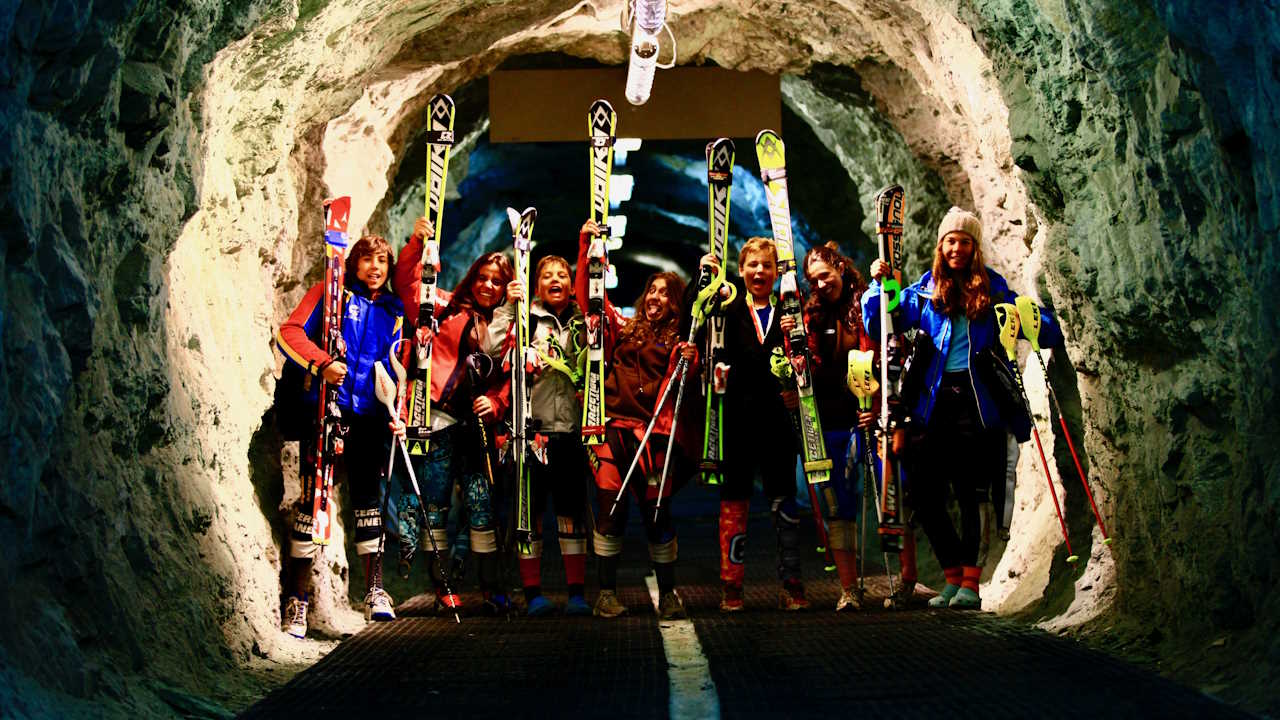
It’s very likely that if you’re just starting to ski, you’re wondering, How much do skis cost? Well, this depends on several factors: the quality, the type of skis you want to buy, and the brand. On average, a pair of skis can cost between US $400 and US $1000, and if you buy them as a complete set, they can cost around US $1500.
However, when it comes to buying skis, it can sometimes be hard to decide what to purchase based on what you actually need. So stay with us, because in this article, we’ll explain how much you can expect to pay for new skis, taking into account some variables that can affect their price.
So, let’s get started.
Content
Different types of skis: Key to understanding the costs
Alpine skis
If you are a beginner or intermediate skier, this type of skiing is ideal for you. Alpine skis help provide better stability, control, and speed on groomed trails, making them perfect for those looking to improve their skills at ski resorts.
As for the cost, prices can vary depending on your skill level. For instance, beginner alpine skis can start at around US $400, while high-end alpine skis can reach up to US $1,000 due to their advanced features that cater to more experienced skiers.
Another important factor that influences the cost is the brand’s reputation, the quality of materials, and the technology used. For example, brands like Rossignol and Salomon offer alpine skis suited for different skill levels and preferences, with prices ranging from US $400 to US $900.
Freestyle skis
For those passionate about tricks and moves at ski resorts or terrain parks, freestyle skis are perfect. Being shorter, they allow for better control when performing jumps, rails, and aerial tricks. Additionally, their twin-tip design lets skiers ride backward with ease, which is awesome.
As for costs, the price of these skis also varies depending on skill level, just like alpine skis. For beginner skiers, they can be found for around US $300 to US $500. However, advanced freestyle skis equipped with features that enhance performance and durability can cost over US $800.
Freeride skis
Freeride skis are celebrated for their adaptability in diverse terrain conditions, from off-piste adventures to ungroomed snow. These skis combine attributes from both alpine and freestyle skis, featuring wider waists for better flotation in powder and rocker profiles for enhanced maneuverability.
The hybrid design makes freeride skis a favorite among skiers who enjoy exploring beyond marked trails. Their versatility allows for smooth transitions between different terrains, making them ideal for adventurous skiers.
Regarding pricing, freeride skis cater to a spectrum of budgets. Basic freeride skis for beginners and intermediates start at around US $400. These skis offer fundamental features that aid in navigating varying terrains. High-performance freeride skis, which come with advanced technology and superior materials, can cost over US $1,000.
Top ski brands and their price ranges
Snowfeet: Innovative short skis
Snowfeet is well-known in the ski market, recognized for its innovative short skis. These skis are designed to offer a unique experience, combining the agility of ice skates with the versatility of traditional skis. Unlike conventional skis, Snowfeet models are short and lightweight, making them easy to transport and use, especially in tight spaces or urban environments.
The price range for Snowfeet short skis varies between US $150 and US $300, depending on the model and features. They are ideal for those looking to try something new without spending a lot of money. Due to their compact size, they can be a great addition for skiers wanting to experiment with different skiing styles.
Snowfeet skis are particularly appealing to younger skiers or those seeking a more playful and versatile approach to the sport. They offer an excellent way to enjoy skiing without the need for expensive and bulky equipment.
Rossignol: Versatile and high-performance
Rossignol is a timeless name in the skiing industry, renowned for its high-performance and versatile skis. Founded in France, this brand has a long tradition of producing top-quality skis that cater to all types and levels of skiers. From beginner models to advanced racing skis, Rossignol has something for everyone.
The price range for Rossignol skis varies significantly depending on the model and intended use. Beginner and intermediate skis typically range from US $300 to US $600, while high-end and racing models can go up to US $1,500 or more. This wide range ensures that Rossignol can meet the needs of various budgets without compromising on quality.
One of the standout features of Rossignol skis is their adaptability to different terrains and conditions. Whether you are skiing on groomed runs, powder, or backcountry trails, Rossignol offers a model that will enhance your performance and enjoyment.
Rossignol’s commitment to innovation and quality is evident in their use of advanced materials and technologies. These elements help to improve the ski’s responsiveness, stability, and overall performance, making them a favorite among professional and recreational skiers alike.
Salomon: Catering to all skill levels
Salomon is another powerhouse in the ski industry, known for its comprehensive range of skis that cater to all skill levels and types of skiing. Headquartered in France, Salomon has been at the forefront of ski innovation, producing equipment that meets the demands of both novice and experienced skiers.
The price range of Salomon skis is quite broad, reflecting the diversity of their products. Entry-level skis generally cost between US $250 and US $500, making them accessible to beginners and casual skiers. On the other hand, advanced and specialized skis can range from US $700 to over US $1,200, catering to more serious and competitive skiers.
Salomon’s emphasis on technology and design is evident in their ski construction. They use cutting-edge materials and techniques to ensure that their skis are both durable and high-performing. This focus on innovation helps skiers of all levels achieve their best performance on the slopes.
Whether you are into freestyle, all-mountain, or racing, Salomon has a model tailored to your needs. Their skis are designed to offer excellent control, stability, and responsiveness, enhancing the overall skiing experience.

How much do skis cost? Factors affecting the cost of skis
Material and construction quality
One of the primary factors influencing the cost of skis is the material and construction quality. High-end skis often utilize advanced materials such as carbon fiber, Kevlar, or titanium, which contribute to their enhanced performance and durability.
For instance, carbon fiber is known for its lightweight properties, making the skis easier to maneuver while maintaining strength. But why does this matter to prospective buyers? Lightweight materials reduce fatigue, allowing for longer ski sessions with less effort.
Moreover, the core material of the ski plays a significant role in its price. Skis with wooden cores, such as those made from poplar or beech, tend to be more expensive due to the superior ride quality they offer. They provide better shock absorption and a smoother skiing experience compared to skis with foam cores.
Another element of construction quality is the layering process. High-quality skis often feature multiple layers of different materials to enhance performance. For example:
- Carbon layers for added stiffness and strength.
- Fiberglass for flexibility and resilience.
- Metal layers, like titanium, for improved edge grip and stability.
The manufacturing process itself also impacts cost. Handcrafted skis, which require meticulous attention to detail, will generally be more expensive than those produced via automated processes. Therefore, when evaluating ski prices, it’s essential to consider the materials and construction techniques used.
Brand reputation and innovation
Brand reputation significantly influences the cost of skis. Established brands with a history of quality, innovation, and reliability command higher prices. Consumers often associate these brands with superior performance and durability, justifying the premium.
These reputable brands invest heavily in research and development to introduce innovative technologies that enhance skiing performance. For example, some brands incorporate vibration dampening technologies to reduce chatter and provide a smoother ride.
Furthermore, high-end brands often sponsor professional skiers and events, which adds to their prestige and perceived value. This marketing strategy, though costly, positions the brand as a leader in the ski industry.
When considering ski prices, prospective buyers should evaluate the following:
- Research and Development: Innovations in ski design and materials directly influence cost. Is the brand known for pioneering new technologies?
- Professional Sponsorships: Does the brand sponsor well-known athletes or events? This association often reflects the quality and performance of the skis.
- Consumer Reviews and Feedback: What do other skiers say about the brand? Consistently positive reviews can justify a higher price point.
Investing in a well-regarded brand may mean paying more upfront but can result in better performance, longevity, and overall satisfaction.
Is it worth buying your own skis?
Cost comparison: buying vs. renting
When contemplating whether to buy your own skis or continue renting, it’s imperative to evaluate the cost. At first glance, rental fees might seem reasonable, especially if you’re a casual skier. However, frequent rentals add up quickly.
Consider the cumulative cost. If you ski frequently, say ten times a season, rental fees can swiftly surpass the initial investment of purchasing skis. For instance, renting skis might cost US $40 per day, equating to US $400 for ten days. Quality skis can be bought for around US $500 to US $700, a cost that becomes more economical if you’re skiing multiple seasons.
On the flip side, owning your skis involves upfront expenses. Apart from the skis themselves, you’ll need to invest in maintenance and storage. However, this initial outlay offers returns through consistent use, eliminating repeated rental expenses.
Renting, conversely, allows flexibility. If you’re skiing sporadically, rentals save you from maintenance costs. Moreover, rental shops regularly update their inventory, ensuring you access newer models without having to purchase them.
Where do you fall on this spectrum? Evaluate your ski habits and budget. For a frequent skier, the initial expense of buying may lead to substantial savings over time.
Personalization and performance benefits
Owning your skis offers significant personalization and performance benefits. Unlike rental skis, which are generalized for broader use, your skis can be tailored to your specifications. This customization can drastically enhance performance and comfort.
Frequent skiers often develop preferences for specific ski attributes, such as length, stiffness, and type. Owning allows you to select skis that match your style and terrain, leading to a more fulfilling skiing experience.
Additionally, personalization extends to bindings and boots, crucial for performance and safety. Customized bindings ensure precise control and responsiveness, while personal boots provide a perfect fit, reducing the risk of injury.
In rentals, this level of customization is generally unavailable. Rental equipment, designed for broad use, can’t cater to individual preferences, which might hinder performance.
Tips for choosing the right skis for your needs
Consider your skill level
As we’ve mentioned throughout this article, when buying your skis, it’s important to understand your skill level. Are you a beginner, intermediate, or advanced skier? Your ability level directly affects the type of ski that will best suit your needs.
For beginners, shorter skis are usually recommended. Why? They provide easier control and maneuverability, crucial factors when you’re still learning the ropes. Shorter skis allow for quicker and more responsive turns, making them ideal for building confidence on the slopes.
Intermediate skiers may look for a balance between stability and control. Skis that are slightly longer than beginner ones, but still easy to handle, can boost your performance and help you tackle more challenging terrain.
Advanced skiers typically prefer longer skis. These offer greater stability at higher speeds and perform better on varied terrain. However, even some experienced skiers opt for shorter skis to enjoy a more playful and agile skiing experience, especially on moguls or in tight spaces.
Matching your skill level with your skis can greatly enhance your skiing experience and help you progress more efficiently.
Match skis to terrain
The terrain you plan to ski on is another critical factor in selecting the right skis. Different terrains demand different ski characteristics, and matching your skis to the terrain can enhance your performance and enjoyment.
For groomed trails, shorter skis can be very effective. They allow for quick, agile turns and are easier to control, making your ride down the slope smoother and more responsive.
If you enjoy off-piste skiing in fresh powder, consider going for longer skis. They provide better floatation and stability in deep snow, which can make your experience more enjoyable.
Freestyle skiers, who often perform tricks and quick maneuvers, might find shorter skis more suitable due to their lighter weight and increased maneuverability. The agility of shorter skis can facilitate spins and jumps, making them ideal for adventurous skiers.
Choosing skis based on the terrain you frequent can greatly enhance your skiing experience, making sure you have the right equipment for the conditions you face.
Importance of proper fit and length
Ensuring your skis have the proper fit and length is essential for performance and safety. Skis that are too long or too short can hinder your ability to control your movements and enjoy your time on the slopes.
Shorter skis are generally easier to turn and maneuver. They are great for skiers who prefer quick, playful movements and need more control, such as when skiing in tight spaces or mogul fields.
Moreover, shorter skis are often lighter and more responsive, which benefits skiers who value agility. For those still developing their skills, shorter skis can also absorb bumps and imperfections in the snow more effectively, reducing the chances of losing balance.
Longer skis offer different advantages. They provide more stability at higher speeds and distribute weight over a larger surface area, which can help in deeper snow. This makes them a solid choice for advanced skiers tackling diverse and challenging terrains.
Ultimately, the correct length and fit depend on your skiing style, skill level, and the terrain you frequent. Achieving this balance ensures a safer and more enjoyable skiing experience.
From the diverse range of alpine, freestyle, and freeride skis to top brands like Snowfeet, Rossignol, and Salomon, understanding your options is key to making an informed purchase. The cost of skis is influenced by critical factors such as material quality, brand reputation, and intended performance, making each selection a thoughtful investment in your skiing experience.
Owning your own skis offers tangible benefits, from long-term savings to a personalized fit that enhances performance. Whether you’re a beginner or an expert, choosing the right skis tailored to your skill level and preferred terrain can significantly elevate your skiing adventures. Ready to make a decision? See you in the next post.