
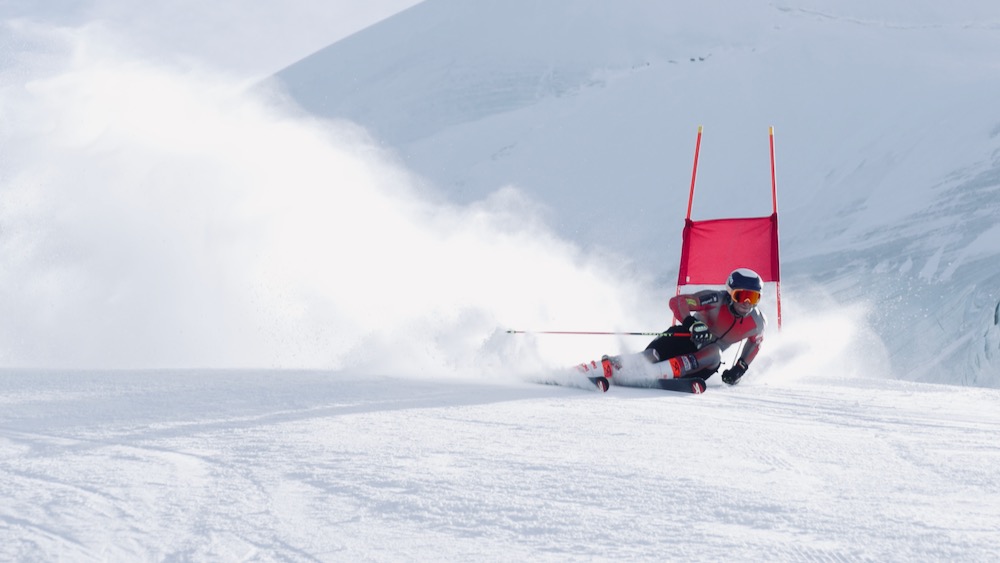
Standing at the start gate of a giant slalom course requires more than just high-end equipment and a sharp edge. The physical demands of racing are intense, often requiring a mix of explosive power, incredible balance, and the stamina to maintain a high heart rate for several runs.
When the snow melts and the lifts stop turning, the real work begins for those who want to see their names at the top of the podium. A well-structured ski race dryland training plan is what separates the casual skier from the dedicated athlete.
The goal of training off the snow is to build a body that can handle the high G-forces of a carved turn and the vibration of icy slopes. Without proper preparation, your muscles might fatigue halfway through a course, leading to mistakes or, worse, injuries.
By focusing on specific areas like leg strength, core stability, and cardiovascular health during the warmer months, you set yourself up for a successful winter season.
You will find that the time spent in the gym or on the track translates directly to better edge control and faster times when you finally click into your bindings in Chile, Zermatt, or Saas-Fee.
This guide walks you through the different phases of preparation, helping you understand how to build a body ready for the rigors of competitive skiing.
We will look at everything from basic strength to the quick movements needed for slalom gates, ensuring you have a clear path to follow before the first flakes fall.
Content
Building a solid foundation for the winter
Before you start jumping over boxes or lifting heavy weights, you need a strong base. This initial phase is about making sure your joints are healthy and your heart can handle long sessions of work.
Many athletes make the mistake of jumping straight into high-intensity drills, but your body needs a period of adaptation. This is where you focus on mobility and general fitness.
Mobility is often overlooked, but it is a big part of skiing. Your hips, ankles, and spine need to move freely so you can get into a deep tuck or absorb bumps on the hill. If your ankles are stiff, you won’t be able to put enough pressure on the front of your boots.
Spending fifteen minutes a day on dynamic stretching and foam rolling can make a huge difference in how you move. It helps you stay fluid on the snow and reduces the risk of common injuries like ACL tears.
Aerobic fitness also plays a role. While a ski race lasts only a minute or two, you spend hours on the mountain. You need to be able to recover quickly between runs and stay focused throughout the day.
Activities like cycling, swimming, or long hikes are great for this. They build your “engine” without putting too much stress on your knees. As you move through your ski race dryland training plan, this aerobic base will allow you to train harder and longer without burning out.
The role of strength and power
Skiing is a sport that demands a lot from your lower body. When you are traveling at high speeds and trying to hold a line, your legs act like shock absorbers. This is why off-season ski strength training is a staple for any serious racer.
You want to focus on movements that mimic the demands of the sport, such as squats, lunges, and deadlifts. These exercises build the raw strength needed to push against the snow and maintain your balance in difficult conditions.
However, strength alone isn’t enough. You also need power, which is the ability to use that strength quickly. In a slalom race, you have to move your feet across the fall line in a fraction of a second.
To train for this, you can incorporate explosive movements like cleans or kettlebell swings. These teach your muscles to fire rapidly, giving you that “snap” out of the turn. It is helpful to remember that quality is more important than quantity here. You want every rep to be fast and controlled.
Another key area is eccentric strength. This is the ability of your muscles to lengthen under tension. When you are skiing, your muscles are often working to slow you down or resist the forces of the turn.
Exercises like slow-tempo squats or Nordic hamstring curls are excellent for building this type of resilience. They help protect your knees and give you better control when the terrain gets rough.
Core stability and balance
Your core is the bridge between your upper and lower body. In ski racing, a strong core keeps your chest quiet and your hips stable, allowing your legs to do the work of turning the skis.
If your core is weak, you will likely find yourself “breaking” at the waist, which leads to a loss of edge pressure. Instead of just doing sit-ups, focus on exercises that challenge your stability in multiple directions.
Planks are a good start, but you should also include anti-rotation movements. For example, using a cable machine or a resistance band to hold a position while the weight tries to pull you to the side mimics the forces you feel in a high-speed turn.
Deadbugs and bird-dogs are also great for teaching your body how to move your limbs while keeping your spine neutral. This coordination is precisely what you need when you are trying to stay in a tuck while moving your legs through a series of rollers.
Balance is the other side of the coin. Since skiing happens on a slippery surface, your brain needs to be very good at knowing where your body is in space. You can improve this by doing single-leg exercises.
Try doing your lunges or deadlifts on one leg. You can also use balance boards or BOSU balls to add a layer of difficulty. These tools force the small stabilizer muscles around your ankles and knees to work harder, which is great for pre-season ski fitness.
Agility and plyometric drills
Once you have a foundation of strength and stability, it is time to get fast. Agility is the ability to change direction quickly and efficiently. On the hill, this means being able to adjust your line if you catch an edge or if the course gets rutted.
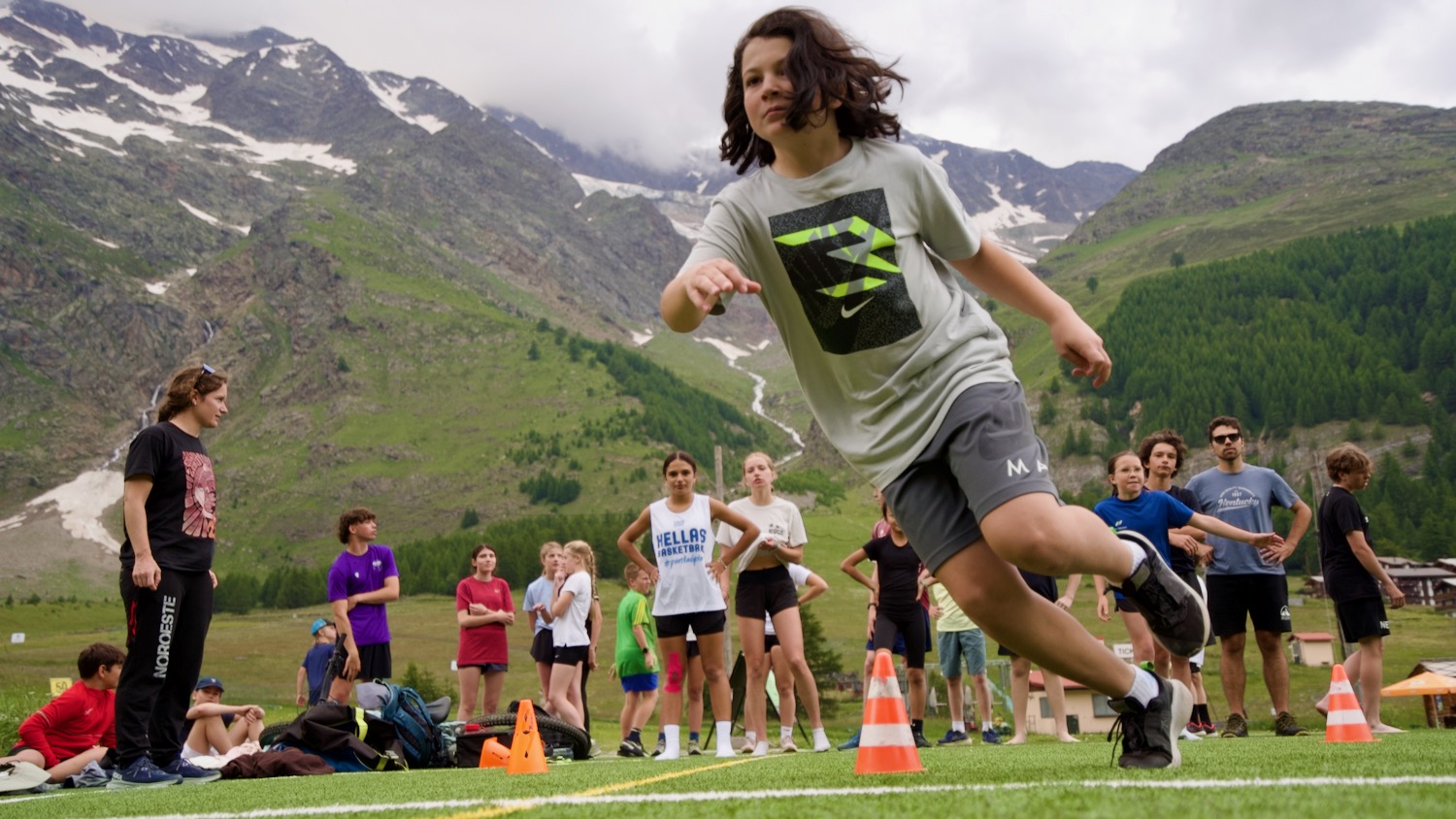
Ski conditioning workouts often include ladder drills, cone circuits, and lateral hops to sharpen these skills. These drills improve your foot-eye coordination and make you more reactive.
Plyometrics are another vital component. These are jumping exercises that build explosive power. For skiers, lateral plyometrics are especially useful because they mimic the side-to-side movement of the sport. Box jumps, skater hops, and tuck jumps are common examples.
When you do these, focus on landing softly and maintaining good alignment. You want your knees to stay over your toes, not cave inward. This mirrors the proper alignment you need when absorbing a landing or a heavy compression on the race course.
You can also use these drills to build anaerobic endurance. Instead of just doing a few jumps, try doing a circuit of different plyometric moves for sixty seconds. This mimics the length of a typical race run and teaches your body how to maintain power even when your legs start to feel heavy from lactic acid. It is a tough way to train, but it pays off when you are fighting for every hundredth of a second in the final gates of a race.
A sample ski race dryland training plan
To give you a better idea of how to organize your week, here is a sample structure for a mid-season dryland block. This assumes you have already spent a few weeks building your aerobic base and are now focusing on strength and power.
You can adjust the weights and intensity based on your current level, but the balance of activities should stay similar.
| Day | Focus area | Sample exercises |
|---|---|---|
| Monday | Lower Body Strength | Back Squats, Deadlifts, Bulgarian Split Squats |
| Tuesday | Agility & Plyometrics | Ladder Drills, Skater Hops, Box Jumps |
| Wednesday | Active Recovery | Low-intensity cycling or swimming, Yoga |
| Thursday | Upper Body & Core | Pull-ups, Overhead Press, Pallof Press, Planks |
| Friday | Power & Speed | Kettlebell Swings, Medicine Ball Throws, Sprints |
| Saturday | Endurance / Outdoor | Long Hike, Mountain Biking, or Trail Running |
| Sunday | Rest | Full Recovery, Foam Rolling |
This ski race dryland training plan ensures that you are hitting all the necessary energy systems and muscle groups. You noticed that there is a dedicated day for active recovery.
This is important because your muscles need time to repair and grow stronger. If you train at 100% every single day, you will eventually see a decline in performance or end up with an overuse injury. Listen to your body and don’t be afraid to take an extra day off if you feel exceptionally fatigued.
Nutrition and recovery for racers
Training hard is only half the battle. To get the most out of your efforts, you need to fuel your body correctly and give it the tools it needs to recover.
A diet rich in lean proteins, complex carbohydrates, and healthy fats will provide the energy you need for your workouts and the building blocks for muscle repair.
Protein is particularly important after a strength session. It helps rebuild the muscle fibers that are broken down during lifting. Carbohydrates are your primary fuel source for high-intensity work, so make sure you are eating enough of them, especially on days when you have sprints or plyometrics.
Hydration is another key factor. Even a small amount of dehydration can lead to a drop in focus and physical performance. Drink water throughout the day, not just when you are thirsty.
Sleep is perhaps the most powerful recovery tool you have. During deep sleep, your body releases growth hormones that facilitate tissue repair. Aim for seven to nine hours of quality sleep each night.
You might also find that techniques like cold plunges, massage, or compression boots help you feel fresher between sessions. While these aren’t a substitute for good sleep and nutrition, they can be a nice addition to your routine if you have access to them.
Mental preparation and visualization
Ski racing is as much a mental game as it is a physical one. You can be the strongest athlete in the gym, but if you can’t stay calm and focused at the start, you won’t perform your best.
The off-season is a great time to work on your mental game. One of the most effective techniques used by elite athletes is visualization. This involves closing your eyes and “seeing” yourself skiing a perfect run.
Try to make the visualization as detailed as possible. Feel the wind on your face, hear the sound of your edges on the ice, and see the gates passing by. Imagine yourself handling a mistake or a difficult section of the course with confidence.
By doing this regularly, you are essentially “programming” your brain for success. When you finally get on the snow, your mind will feel like it has been there before, which helps reduce anxiety.
You can also use your dryland sessions to build mental toughness. When you are on your last set of squats and your legs are burning, that is an opportunity to practice pushing through discomfort.
The ability to maintain your technique and focus when you are tired is exactly what you need during the final gates of a long GS course. Use these moments to build the grit that will serve you well during the winter.
Transitioning from dryland to the snow
As the winter approaches, your training should start to look more like skiing. This means shifting your focus from heavy lifting to more specific movements and higher-intensity intervals.
You want to be at your peak physical condition when you arrive at your first ski camp. The transition should be gradual so your body has time to adjust to the unique stresses of skiing, such as the cold and the high-altitude environment.
If possible, try to get some days on a glacier or an indoor slope before the competitive season starts. This allows you to test your fitness and see how your dryland work is translating to the snow.
You might find that you need to tweak your routine or focus more on a specific area, like your balance or your quickness in short turns. This is also the time to make sure your equipment is dialed in. New boots or a different tune on your skis can change how you use your muscles.
Remember that a ski race dryland training plan is a long-term investment. The work you do in July and August will show up in your results in January and February. Stay consistent, stay focused, and keep the goal in mind.
The feeling of a perfectly executed turn on a crisp morning is worth every drop of sweat in the gym. You have the tools and the plan; now it is just a matter of putting in the work.
As you get closer to the season, you might feel a mix of excitement and nerves. That is normal. Trust the preparation you have done. You have built a strong foundation, improved your power, and sharpened your mind.
You are ready to handle whatever the mountain throws at you. Whether you are aiming for a personal best or a spot on a national team, your off-season efforts have put you in the best possible position to succeed.
The journey from the gym to the podium is a rewarding one. It teaches you discipline, resilience, and the value of hard work. As you move forward, keep looking for ways to improve and refine your approach.
The world of ski racing is constantly evolving, and the best athletes are the ones who are always looking for an edge. We look forward to seeing you on the slopes and watching you reach your full potential as a racer.
If you are ready to take your skills to the next level and want to experience elite training in some of the world’s best locations, we are here to help. Our programs are designed to bridge the gap between dryland preparation and on-snow performance, providing you with the coaching and environment you need to excel. Take the next step in your racing career today.
If you are eager to learn more about our racing camps and programs, visit the ski camp page.