
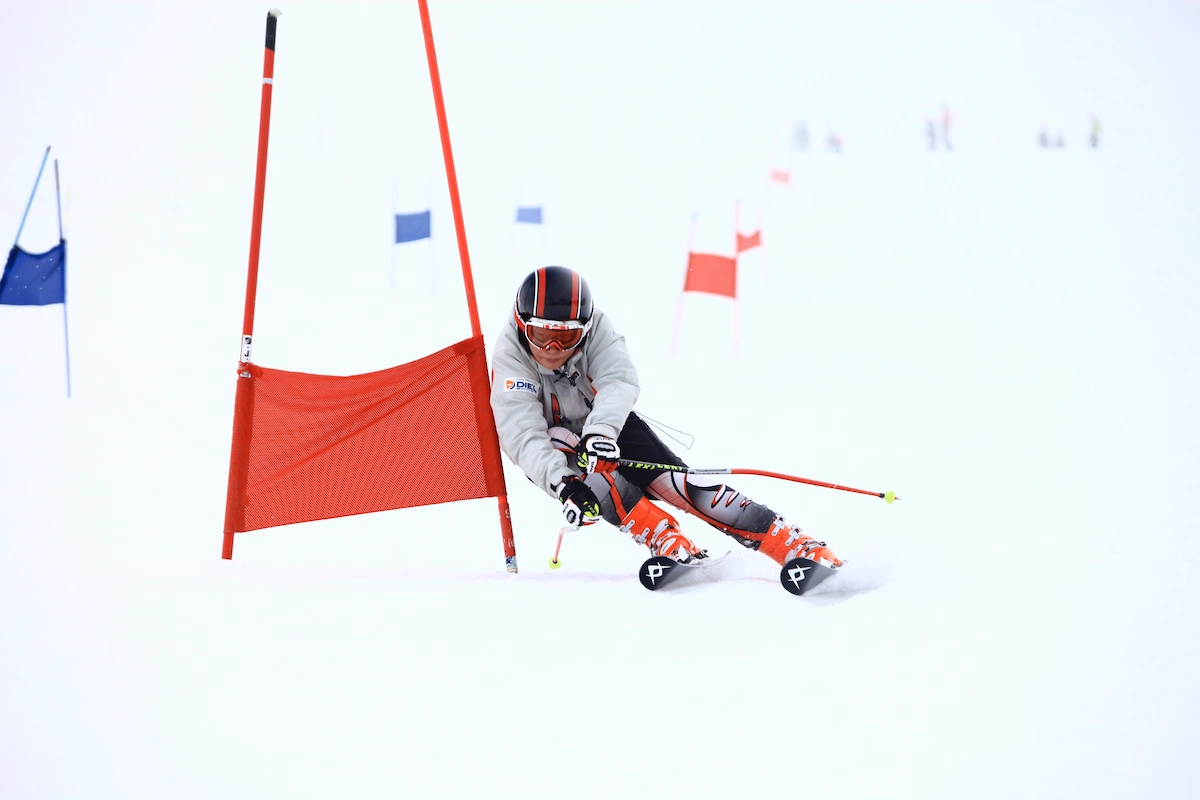
Competitive ski racing is a sport of minute details and relentless dedication. The difference between a spot on the podium and finishing mid-pack often comes down to hundredths of a second, a margin gained through superior technique, mental fortitude, and access to world-class training environments.
For aspiring racers of all ages, from promising juniors to dedicated masters athletes, the pursuit of excellence is a year-round commitment. This is where specialized training camps become not just an advantage, but a necessity. They provide a focused, immersive environment where athletes can refine their skills under the guidance of expert coaches, away from the distractions of daily life.
The Swiss Alps have long been the epicenter of elite ski racing, offering some of the most challenging terrain and reliable snow conditions on the planet. Glaciers in locations like Zermatt and Saas-Fee provide unparalleled opportunities for summer and autumn training, allowing athletes to stay on snow when others are forced into dry-land conditioning.
This access to year-round skiing is a critical component for continuous development, enabling racers to work on fundamental adjustments and test new equipment long before the competitive season begins. The infrastructure, culture, and history of ski racing are deeply embedded in these mountain communities, creating an atmosphere that is both inspiring and highly conducive to high-performance training.
Choosing the right program is a pivotal decision in an athlete’s career. It involves more than just finding a camp with good coaching; it requires a holistic approach that considers the training philosophy, the quality of the facilities, the logistical support, and the overall environment.
A successful camp experience should challenge an athlete physically and mentally while providing the support system needed to foster growth and confidence. It’s about building a foundation of technical proficiency, tactical intelligence, and a resilient mindset that will serve the racer throughout their competitive journey.
This comprehensive guide will explore the essential elements of elite ski race training, from the core principles of technique to the logistical considerations of selecting the perfect camp, ensuring you have the information needed to make an informed decision and take your performance to the next level.
Content
The foundation of performance: Core training philosophies
At the heart of any successful ski racing program is a clear and effective training philosophy. This is the guiding principle that shapes every drill, every course set, and every piece of feedback a coach provides. It’s not simply about skiing fast; it’s about building a complete athlete who is technically sound, tactically astute, and mentally prepared for the pressures of competition.
A robust philosophy is adaptable, catering to the unique needs of different age groups and skill levels, from a U12 athlete learning to carve a clean turn to an FIS racer fine-tuning their line in a Super-G. Our approach is built on a long-term athletic development model, emphasizing fundamental skills before progressing to more complex race-specific scenarios. This ensures that athletes develop a profound understanding of the “why” behind their actions, rather than just mechanically repeating movements.
This long-term perspective is crucial for preventing burnout and ensuring sustainable improvement. We believe in a progressive system where skills are layered upon one another. An athlete must first understand body positioning, edge control, and pressure management in a free-skiing environment before they can effectively apply those concepts in a slalom or giant slalom course.
Rushing this process can lead to the development of bad habits that are difficult to correct later. Therefore, a significant portion of our training, especially in the preparatory periods, is dedicated to highly structured technical free-skiing.
These sessions are designed to isolate specific movements and build muscle memory, creating a solid technical base that holds up under the stress of a race run. This patient, methodical approach ultimately leads to more consistent and powerful racers who can adapt to varying conditions and course sets.
Furthermore, our philosophy integrates physical and mental conditioning as equal partners to on-snow training. A strong body is essential to withstand the intense forces of modern ski racing, but a strong mind is what wins races. We incorporate mental skills training into our programs, teaching athletes techniques for visualization, goal setting, and managing competition anxiety.
This holistic development creates resilient, self-aware athletes who not only perform well but also enjoy the sport for the long haul. The goal is to empower each racer with the tools they need to take ownership of their skiing, understand their equipment, and make smart decisions on the hill. It’s a philosophy centered on creating intelligent, independent, and ultimately, faster ski racers.
Developing technical mastery on and off the course
Technical proficiency is the bedrock upon which all successful ski racing is built. Without a solid technical foundation, speed is inconsistent and often uncontrollable. Our training programs place an immense emphasis on developing this foundation through a meticulous, detail-oriented process. We begin by breaking down the ski turn into its fundamental components: initiation, shaping, and completion.
Each phase is analyzed and refined through a series of specific drills designed to improve balance, edge angle, and pressure distribution. For example, athletes might perform drills without poles to enhance their awareness of their core and lower body, or they might ski on one ski to develop superior balance and control over the outside ski, which is critical for generating power through the turn.
Video analysis is an indispensable tool in this process. Every day, training runs are filmed from multiple angles, allowing coaches and athletes to review performance in detail. This immediate, visual feedback is incredibly powerful. An athlete might feel they are keeping their hands forward, but the video may reveal otherwise. Seeing the discrepancy allows for a more rapid and accurate correction.
During these analysis sessions, we use slow-motion playback and side-by-side comparisons with elite World Cup racers to highlight key body positions and movements. This helps athletes develop a clear mental image of what they are trying to achieve, accelerating the learning curve and fostering a more profound understanding of the sport’s biomechanics.
This focus on technique extends beyond the gates. We firmly believe that the best racers are, first and foremost, the best all-around skiers. A significant amount of training time is dedicated to free-skiing on varied terrain and in different snow conditions. Skiing powder, moguls, and steep, icy slopes teaches adaptability and builds a level of comfort and confidence on skis that cannot be replicated solely through gate training.
These skills translate directly to racing, enabling an athlete to recover from a mistake, adjust to an unexpected rut in the course, or maintain speed through a challenging transition. It’s this comprehensive approach to skill development that separates good racers from great ones, creating athletes who are not just fast in a controlled environment but are masters of their craft in any situation the mountain presents.
Tactical intelligence and race day strategy
Once a strong technical foundation is established, the focus can shift to the tactical and strategic elements of ski racing. Tactical intelligence is the ability to read a course and the terrain, then create a plan to ski the fastest possible line. It’s a dynamic skill that involves much more than simply following the path of the gates. Before each training run or race, athletes perform a thorough course inspection.
During inspection, we teach them what to look for: the rhythm of the course, the distance between gates, the pitch of the slope, and the snow conditions. The goal is to build a mental map of the course and visualize the ideal line from start to finish.
We guide athletes in understanding key tactical concepts. For instance, in a giant slalom course, identifying where to ski a “high line” to set up for a difficult vertical combination versus where to ski a “straighter line” to carry speed across a flat section is a critical decision. In slalom, understanding how to manage rhythm changes and when to attack versus when to be patient can save valuable time.
These decisions are not arbitrary; they are based on an understanding of physics and the specific challenges presented by the course set. Our coaches work closely with each athlete during inspection, asking questions and prompting them to think critically about their race plan. This Socratic method helps racers develop their own decision-making abilities, making them more independent and adaptable on race day.
Race day strategy encompasses everything from the warm-up routine to the mental approach in the start gate. We help athletes develop a consistent pre-race routine that prepares them both physically and mentally. This includes a dynamic warm-up, equipment checks, and a final review of the race plan. Mental preparation is equally important.
We work on techniques to manage nerves and maintain focus, such as controlled breathing and positive self-talk. The goal is to step into the start gate with a clear, calm mind, ready to execute the plan. After the race, a structured debrief is essential.
We analyze the run, comparing the plan to the execution and identifying what worked well and what could be improved. This continuous cycle of planning, execution, and reflection is fundamental to developing a smart, strategic, and successful ski racer.
The immersive camp experience: More than just skiing
A residential training camp offers a unique, immersive environment that accelerates learning and personal growth far beyond what is possible with intermittent training sessions. By living, eating, and training together, athletes are fully engrossed in a high-performance culture. This environment fosters a sense of camaraderie and shared purpose, where racers motivate and push each other to be better.
The daily schedule is structured and disciplined, designed to optimize every aspect of an athlete’s development. A typical day might begin with an early morning wake-up call, followed by a nutritious breakfast, and then heading to the glacier for the on-snow session. The time on the hill is intense and focused, packed with drills, gate training, and immediate feedback from coaches.
The learning, however, doesn’t stop when the skis come off. The afternoons are just as crucial as the mornings. After lunch and a short rest, the day continues with various off-snow activities. These include physical conditioning sessions tailored to the demands of ski racing, focusing on strength, agility, and explosive power. Equipment preparation and maintenance are also a key part of the daily routine.
Athletes are taught how to tune their own skis—sharpening edges, waxing, and structuring bases—under the guidance of experienced technicians. This not only ensures their equipment is in peak condition but also gives them a more in-depth understanding of how their skis interact with the snow, a vital piece of knowledge for any serious competitor. This hands-on approach fosters responsibility and self-sufficiency.
Evenings are dedicated to video analysis, team meetings, and educational workshops. During these sessions, the day’s training is reviewed, and goals are set for the following day. Workshops might cover topics such as sports nutrition, psychology, or anti-doping regulations. This comprehensive educational component ensures that athletes are developing not just as skiers, but as well-rounded individuals who understand all facets of their sport.
The residential camp model creates a 24/7 learning environment where every moment is an opportunity for improvement. It is this complete immersion that makes camps such a powerful catalyst for progress, building skills, confidence, and friendships that last a lifetime.
A day in the life: The structure of a training day
The structure of a typical day at a high-performance ski camp is meticulously planned to maximize productivity and recovery. The day begins early, often before sunrise, to take advantage of the best snow conditions on the glacier. After a quick and nutritious breakfast, the team heads to the mountain.
The journey up the gondolas and lifts is a time for mental preparation, visualizing the day’s goals, and focusing on the task ahead. Once on the snow, the session starts with a structured warm-up, including free-skiing and specific drills to activate the body and reinforce key technical movements. This ensures that athletes are physically and mentally ready for the intensity of gate training.
The core of the on-snow session is dedicated to training in the gates. Coaches set courses that are designed to challenge the athletes and work on specific technical or tactical elements. For example, a course might feature a tight, rhythmic section to work on quickness, followed by an open, flowing section to work on generating pressure and maintaining a clean arc.
Training is conducted in a focused, efficient manner, with a high volume of quality runs. Coaches are positioned along the course to provide real-time feedback, and every run is filmed for later analysis. The session typically lasts for several hours, until the snow conditions begin to soften. The goal is quality over quantity, ensuring every run has a clear purpose.
After returning from the mountain, the afternoon is dedicated to recovery and off-snow development. Following lunch, athletes engage in a structured physical conditioning session. This isn’t just a random workout; it’s a scientifically designed program that complements the on-snow training, focusing on developing ski-specific strength, power, agility, and endurance. Afterward, athletes are responsible for their equipment.
This is a critical time for ski tuning and preparation for the next day. The day concludes with a team dinner, followed by a video analysis session where the day’s training is reviewed in detail. This structured routine, repeated day after day, creates a powerful cycle of training, feedback, and improvement that is the hallmark of an effective training camp.
Off-snow training and athlete wellness
Elite ski racing performance is built just as much in the gym as it is on the slopes. A robust off-snow conditioning program is not an optional extra; it is a fundamental component of any serious training plan. The physical demands of the sport are immense, requiring a unique combination of explosive power, core strength, balance, and endurance. Our conditioning programs are specifically designed to develop these attributes.
Workouts include plyometrics to build explosive power for starts and powerful turn transitions, complex core exercises to create a stable platform for the limbs to work from, and agility drills to improve quickness and coordination. Strength training focuses on compound movements like squats and deadlifts to build overall strength that translates directly to the hill.
Conditioning is also the primary tool for injury prevention. Ski racing places enormous stress on the joints, particularly the knees and back. A well-designed strength program builds the muscles that support and protect these vulnerable areas, significantly reducing the risk of injury. We also place a strong emphasis on mobility and flexibility, incorporating stretching and foam rolling into the daily routine to maintain a full range of motion and aid in muscle recovery.
This proactive approach to physical preparation ensures that athletes are not only strong and powerful but also resilient and durable enough to withstand the rigors of a long training and competition season.
Athlete wellness extends beyond physical training to include nutrition and recovery. Proper nutrition is the fuel that powers performance and facilitates recovery. We educate our athletes on the principles of sports nutrition, guiding them on what to eat and when to eat it to optimize energy levels and muscle repair. This includes understanding the importance of carbohydrates for energy, protein for muscle building, and hydration.
Recovery is an active process. We teach athletes the importance of adequate sleep, which is when the body does most of its repairing and rebuilding. Techniques such as active recovery sessions, stretching, and proper cool-downs are integrated into the daily schedule to ensure athletes are ready to perform at their best day after day. This holistic approach to wellness is critical for long-term success and health in the sport.
Choosing the right program and location
Selecting the right training program is one of the most important decisions an athlete and their family will make. The ideal program should align with the athlete’s age, ability level, goals, and even their personality. It’s essential to look beyond the marketing materials and understand the core philosophy of the organization.
Does the program prioritize long-term development over short-term results? Is the coaching staff experienced, certified, and known for their ability to communicate effectively with the specific age group? The coach-to-athlete ratio is another critical factor.
A low ratio ensures that each racer receives personalized attention and feedback, which is crucial for technical development. Don’t hesitate to ask for references or speak to current or former participants to get a true sense of the program’s culture and effectiveness.
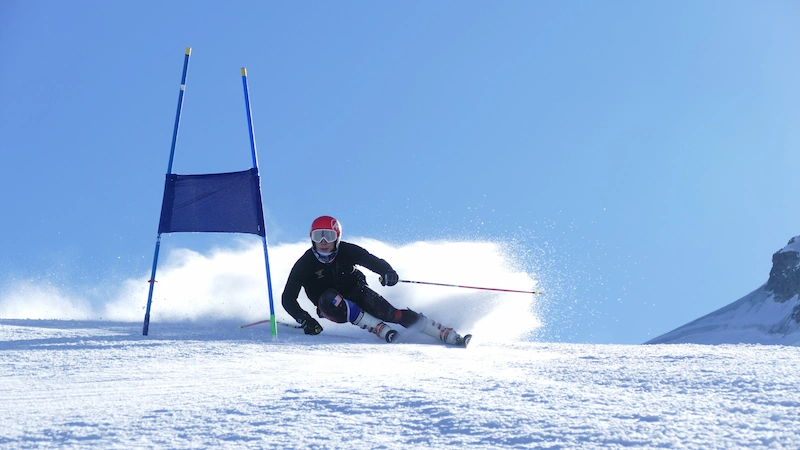
The location of the camp is equally important. For summer and fall training, glacier locations in the Swiss Alps, such as Zermatt and Saas-Fee, offer an undeniable advantage. The high altitude and reliable snow cover provide world-class training conditions when most other resorts are closed. This allows for a crucial head start on the season, providing ample time to work on fundamentals and test equipment.
Furthermore, the challenging terrain and variety of slopes available in these areas ensure that training is always stimulating and productive. The environment itself is inspiring, surrounded by iconic peaks and a deep-rooted culture of mountaineering and ski racing. Proximity to major airports and a well-developed infrastructure of lifts, accommodations, and support services also make these locations highly practical and efficient for running high-level camps.
Logistical considerations, including the quality of the ski race accommodation swiss camps, play a significant role in the overall experience. A comfortable, safe, and well-organized living environment is essential for athletes to rest, recover, and stay focused. You should inquire about the type of lodging provided, the meal plans, and the level of supervision, especially for younger athletes.
Transportation to and from the mountain, access to tuning facilities, and the availability of academic support or tutoring for student-athletes are also important factors to consider.
A well-run program will have all these logistical details seamlessly organized, allowing the athletes to concentrate fully on their training. Taking the time to research these aspects will ensure you choose a program that is not only a good fit athletically but also provides a positive and supportive overall environment.
Comparing glacier training: Zermatt vs. Saas-Fee
When it comes to summer and autumn glacier training in Switzerland, Zermatt and Saas-Fee are two of the world’s premier destinations. Both offer extensive high-altitude skiing and are home to numerous national teams and private academies, but they have distinct characteristics that may make one a better fit for a particular program or athlete.
Zermatt, home of the iconic Matterhorn, boasts Europe’s highest and largest summer ski area. The sheer size of the glacier provides a vast training ground with a wide variety of slopes. This allows for the setting of long, challenging Super-G and giant slalom courses, making it a favorite for speed-focused athletes. The terrain has a consistent pitch, which is excellent for working on fundamental technique and building a solid foundation.
Saas-Fee, nestled in a neighboring valley, offers a different but equally compelling experience. Its glacier is known for having a steeper overall pitch, which can be more challenging and is particularly beneficial for slalom and giant slalom training.
The steeper terrain forces athletes to be more precise with their line and pressure control. The layout of the training lanes in Saas-Fee is very efficient, with a dedicated platter lift servicing the race pistes, allowing for a very high volume of runs in a short amount of time.
This quick turnaround is ideal for repetitive, drill-based training and for maximizing time on task. The village of Saas-Fee is also car-free, creating a quiet and focused atmosphere that many athletes and coaches appreciate.
The choice between the two often comes down to the specific training goals of a given camp. A program focused on introducing younger athletes to speed events might favor the long, rolling pitches of Zermatt. A camp looking to do intensive, high-volume slalom work might prefer the efficiency and steeper terrain of Saas-Fee.
Both locations offer breathtaking scenery, reliable snow, and world-class infrastructure. Our organization has extensive experience training in both locations, and we select the venue for each camp based on the specific objectives of the program, the time of year, and the developmental needs of the athletes attending. Ultimately, both Zermatt and Saas-Fee provide an unparalleled environment for offseason ski development.
| Feature | Zermatt glacier | Saas-Fee glacier |
|---|---|---|
| Altitude | Up to 3,883 meters | Up to 3,600 meters |
| Terrain profile | Long, consistent pitches; ideal for GS and Super-G | Steeper, more varied pitches; excellent for SL and GS |
| Training volume | Good volume; longer runs mean fewer runs per hour | Excellent volume; dedicated race lifts allow for quick laps |
| Best suited for | All-around training, speed development, fundamentals | Technical events (SL/GS), high-volume drills |
| Village atmosphere | Vibrant, larger town with more amenities | Quiet, car-free village promoting focus |
What to look for in accommodations and facilities
The quality of the accommodations and support facilities is a crucial, though sometimes overlooked, aspect of a successful training camp. After a long, hard day of training on the glacier, athletes need a comfortable and restful environment to recover and recharge. The ideal lodging should be clean, safe, and conveniently located. Proximity to the ski lifts can save valuable time and energy in the mornings.
For younger athletes, a hotel or chalet with dedicated supervision and structured downtime is essential. The environment should be conducive to both rest and team bonding. Common areas where athletes can relax, socialize, and review video together can greatly enhance the camp experience.
Nutrition is another critical component tied to accommodation. The meal plan should be designed to meet the high-energy demands of elite athletes. This means providing balanced, nutritious, and appealing meals. A good program will offer various options to cater to different dietary needs and preferences.
Meals should be rich in complex carbohydrates for energy, lean protein for muscle repair, and fresh fruits and vegetables for essential vitamins and minerals. The timing of meals is also important, ensuring athletes are properly fueled before training and have access to recovery-focused nutrition immediately after.
Beyond the living quarters, the support facilities are what elevate a good camp to a great one. A dedicated space for ski tuning is non-negotiable. This room should be well-ventilated and equipped with tuning benches, vices, and tools. Access to a gym or a designated area for dry-land training is also essential for a comprehensive program.
Furthermore, a classroom or meeting room with video projection equipment is necessary for effective analysis sessions and team meetings. When evaluating a program, ask specific questions about these facilities.
The quality of the overall infrastructure surrounding the ski race accommodation Swiss camps directly impacts the quality of the training and the well-being of the athlete. Ski Zenit ensures all these aspects are meticulously managed to provide a seamless and professional training environment.
Preparing for your camp: Equipment, fitness, and mindset
Arriving at a ski racing camp fully prepared is the first step toward a successful experience. This preparation begins long before you pack your bags and involves three key areas: equipment, physical fitness, and mindset. Proper equipment is the foundation of performance. It’s crucial to arrive with skis that are appropriate for your size, ability, and the disciplines you will be training.
This means having well-maintained slalom and giant slalom skis, at a minimum. Before the camp, ensure your skis have been properly tuned with a base grind and appropriate edge bevels. Your boots are arguably the most important piece of equipment.
They should fit correctly without causing pain, and you should consider getting a custom footbed to ensure proper alignment and support. Ill-fitting boots can not only hinder performance but also lead to bad habits and potential injury. Please keep in mind essential safety gear, including a certified race helmet and back protector.
Physical fitness is another critical component. While the camp itself will improve your conditioning, you will get significantly more out of the experience if you arrive with a solid fitness base. A pre-camp training program should focus on building cardiovascular endurance, leg strength, core stability, and agility. This will not only allow you to handle the high volume of training runs but also significantly reduce your risk of injury.
A strong and well-conditioned body is more resilient and recovers more quickly, enabling you to train effectively day after day. If you’re not already following a structured fitness plan, consider working with a trainer or coach in the weeks leading up to the camp to ensure you are physically prepared for the demands of high-altitude, intensive training.
Finally, cultivating the right mindset is essential. Approach the camp with an open mind and a willingness to learn. Be prepared to step out of your comfort zone and try new things. You will be receiving a great deal of feedback from coaches, and it’s important to be receptive to this input, even if it feels different or counterintuitive at first.
Set realistic goals for what you want to achieve during the camp. Instead of focusing solely on outcomes, like being the fastest in the group, focus on process-oriented goals, such as improving your pole plant or maintaining a better line in the flush. A positive, coachable attitude will not only enhance your own learning but also contribute to a more productive and enjoyable environment for the entire team.
Essential equipment checklist for racers
Having the right equipment, all in perfect working order, is fundamental to a productive training camp. A disorganized gear bag can lead to stress and lost training time. We recommend creating a detailed checklist and packing well in advance. Your equipment can be broadly categorized into on-snow gear, tuning supplies, and off-snow apparel.
- On-snow gear: This is the most critical category. You will need at least one pair of well-tuned slalom skis and one pair of giant slalom skis that comply with the regulations for your age group. Your boots should be properly fitted and buckled. A certified race helmet is mandatory for all gate training. For slalom, you will also need a chin guard, pole guards, and shin guards. A back protector is highly recommended for all disciplines and is often required. Goggles are essential, and it’s wise to bring two pairs with different lenses for varying light conditions (e.g., a dark lens for sunny glacier days and a lighter, high-contrast lens for flat light).
- Tuning and maintenance kit: Being self-sufficient with your equipment is a key skill for a developing racer. Your tuning kit should include a set of files for side and base edges, a diamond stone for deburring and polishing, a file guide for setting your edge angles, and a waxing iron. Bring various waxes suitable for different snow temperatures, a plastic scraper, and a set of brushes (e.g., brass, nylon, horsehair) for structuring your bases. A portable tuning bench or a set of vices that can be attached to a workbench is also invaluable.
- Apparel and accessories: Layering is key for training in the mountains, where weather can change rapidly. You’ll need a quality race suit, a waterproof and breathable outer jacket and pants, and several base and mid-layers. Bring multiple pairs of ski socks to ensure you have a dry pair each day. For off-snow activities, pack workout clothes for gym sessions, comfortable clothing for relaxing, and appropriate footwear. Please remember sunscreen, lip balm with SPF, and a water bottle to stay hydrated at altitude.
Physical and mental readiness
The intensity of a residential ski camp requires a high level of both physical and mental readiness. Physically, the combination of high altitude and a demanding daily training schedule places significant stress on the body. Arriving with a strong fitness base is crucial. Your pre-camp conditioning should include exercises that mimic the movements of skiing. This includes squats, lunges, and plyometric jumps to build leg strength and power.
Core stability is paramount for transferring energy from the lower to the upper body, so planks, Russian twists, and other core exercises should be a staple of your routine. Finally, cardiovascular fitness is essential for enduring long days on the mountain and aiding recovery. Activities like running, cycling, or interval training will help build the engine you need to perform at your best.
Mental readiness is just as important. A training camp is an environment of constant feedback and evaluation, which can be challenging. It’s important to arrive with a “growth mindset”—the belief that your abilities can be developed through dedication and hard work. Be prepared to be challenged by your coaches. They will push you to break old habits and try new techniques.
This process can sometimes be frustrating, but it is essential for improvement. Before the camp, take some time to reflect on your goals. What specific aspects of your skiing do you want to work on? Having clear, process-oriented goals will help you stay focused and motivated throughout the camp.
Managing energy and focus over the duration of the camp is a skill in itself. It’s a marathon, not a sprint. Listen to your body and communicate with your coaches if you are feeling overly fatigued. Prioritize sleep, as it is the most important tool for recovery.
Stay on top of your nutrition and hydration. Mentally, find a balance between intense focus during training sessions and relaxation during downtime. Being able to switch off and recover mentally is just as important as physical rest. Athletes who arrive physically fit, mentally open, and with a clear understanding of their goals are the ones who invariably get the most out of the camp experience.
Are you ready to take your competitive skiing to the next level? Our programs are designed to provide the elite training environment you need to succeed. Join our competitive skiing program to perfect your technique, master gate tactics and track strategy, or visit a competitive skiing camp for professional training and expert advice on the equipment that will help you win.