
Finding the right gear is often the difference between standing on the podium and finishing in the middle of the pack. When you stand at the start gate, you want to know that every piece of your setup is working with you, not against you.
The process of choosing ski race equipment involves more than just picking the most expensive items on the shelf. It requires an understanding of your physical build, your current skill level, and the specific demands of the discipline you are racing.
Many racers make the mistake of buying equipment that is too stiff or too long, thinking it will make them faster. In reality, gear that you cannot control will actually slow you down and might even lead to injury.
You need a setup that allows you to feel the snow and react to the gates with precision. Let’s look at the different components you need to consider to build a high-performance racing kit.
Content
Understanding the different types of race skis
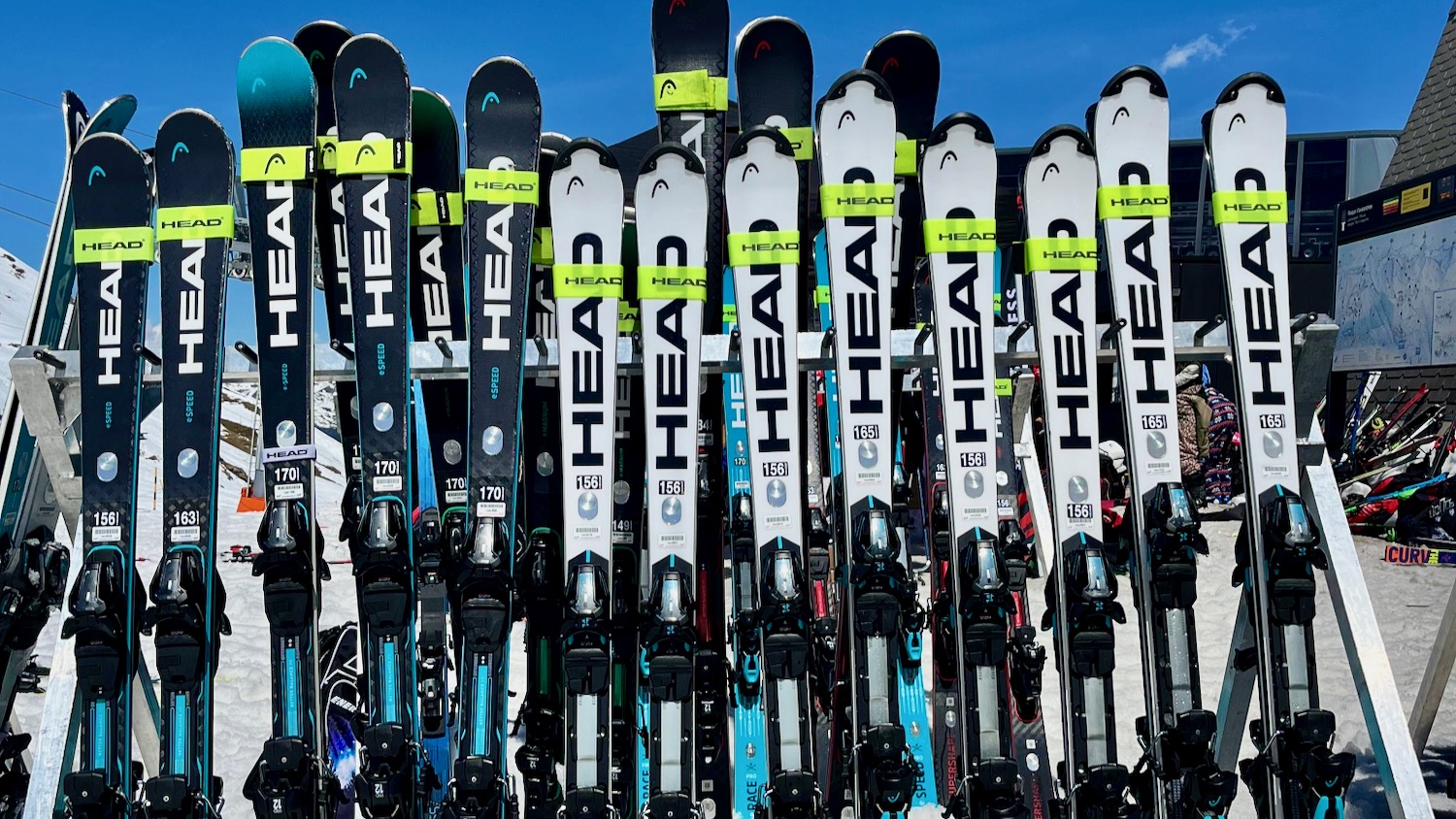
Your skis are your most important tool on the mountain. Depending on whether you are focused on Slalom (SL), Giant Slalom (GS), or speed events like Super-G and downhill, the design of the ski changes significantly.
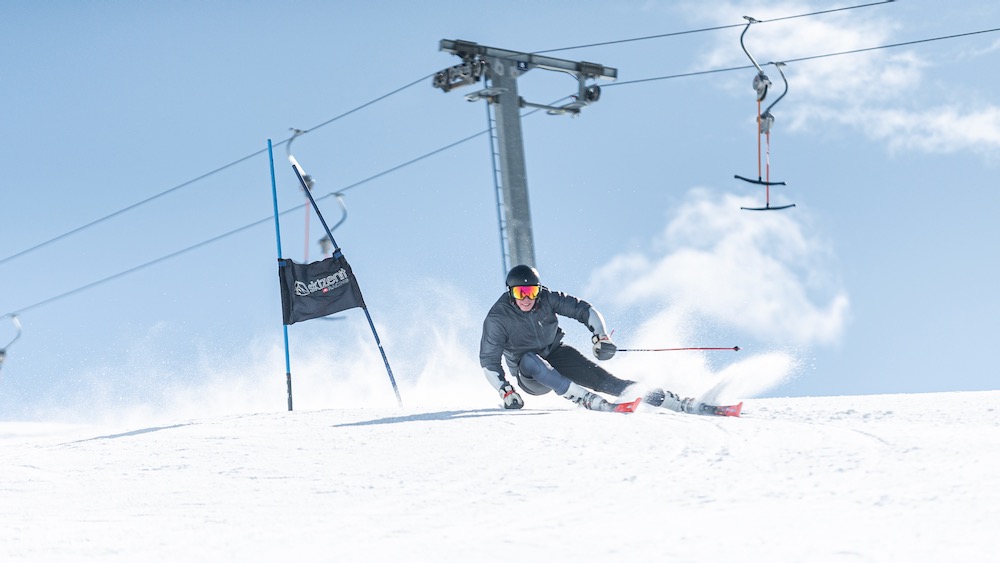
Slalom skis are shorter and have a tighter turn radius, allowing for quick, snappy movements between close-set gates. Giant Slalom skis are longer and more stable at high speeds, with a larger radius for wider turns.
When you look at racing skis, you’ll notice they are much narrower underfoot than a standard all-mountain ski. This narrow waist allows for faster edge-to-edge transitions.
The materials used are also different; race skis typically feature a wood core sandwiched between layers of titanat (a metal alloy) to provide the grip and vibration dampening needed on injected, icy race courses. You’ll find that as you progress, the specific “feel” of a brand might suit your style better than others.
The importance of the FIS ski compliance guide
If you plan on competing in sanctioned events, you must follow specific rules regarding your equipment. The International Ski Federation (FIS) sets strict standards for ski length, width, and radius to ensure fair competition and athlete safety.
Following an FIS ski compliance guide is necessary for any athlete moving into U14, U16, or FIS-level racing. These rules change periodically, so staying updated is a good idea.
For example, Slalom skis for men must be at least 165cm, while women use 155cm. In Giant Slalom, the radius requirements have shifted over the years to protect athletes’ knees. If your skis do not meet these measurements, you will be disqualified before you even leave the start hut.
Always check the current season’s regulations before making a purchase, especially if you are buying second-hand gear from a previous year.
| Discipline | Minimum length (men) | Minimum length (women) | Minimum radius |
|---|---|---|---|
| Slalom (SL) | 165 cm | 155 cm | N/A |
| Giant Slalom (GS) | 193 cm | 188 cm | 30 m |
| Super-G (SG) | 210 cm | 205 cm | 45 m (men) / 40 m (women) |
| Downhill (DH) | 218 cm | 210 cm | 50 m |
Finding your fit with an optimal ski length chart
For younger athletes or those in “Masters” categories who aren’t always bound by strict FIS radius rules, choosing the right length is about finding a balance between stability and maneuverability.
Using an optimal ski length chart helps you narrow down the options based on your height and weight. A ski that is too short will feel unstable at high speeds, while one that is too long will be difficult to turn in tight sections.
As you grow or improve your technique, you will likely move toward longer skis with a larger radius. This transition allows you to carry more speed through the turn.
It is a good idea to talk to your coach about your specific needs, as they see your skiing every day and can tell if you are “overpowering” your current skis or if they are holding you back from reaching the next level of performance.
Selecting the right boots and race ski boot stiffness
Your boots are the steering wheel of your skis. If your boots don’t fit perfectly, your movements won’t transfer effectively to the edges. Race boots are designed with a much narrower “last” (width) than recreational boots, usually ranging from 92mm to 95mm. This tight fit ensures there is no “dead space” inside the boot, giving you instant response.
A major factor in your choice is the race ski boot stiffness, also known as the flex rating. Unlike recreational boots, race flex ratings are not standardized across brands, but they generally range from 70 for juniors to 170 for heavy, powerful World Cup athletes.
If a boot is too stiff, you won’t be able to flex your ankles and drive your knees forward, which is essential for modern carving. If it’s too soft, the boot will collapse under the forces of a high-speed turn. You want a flex that you can move even in the coldest temperatures on the glacier.
Boot canting and alignment
Once you have the right flex, a professional boot fitter can help with canting. This involves adjusting the cuff of the boot or grinding the soles to ensure your skis sit flat on the snow when you are in a natural stance.
Many people have slightly bowed legs or are “knock-kneed,” and without proper alignment, it is very difficult to engage both edges equally. This small adjustment can make a massive difference in how you handle icy ruts.
Bindings and plates: the power transfer system
The binding and the plate it sits on are often overlooked, but they play a huge role in how the ski behaves. Race bindings have higher DIN settings (the release force) than standard bindings because racers put immense pressure on their gear. However, you should never set your DIN higher than what is safe for your weight and ability level. Safety is always the priority.
The race plate is a piece of hardware mounted between the ski and the binding. It adds leverage, making it easier to tip the ski onto a high edge angle. It also allows the ski to flex naturally in a curve without being restricted by the stiff binding.
Some plates are two-piece systems to allow for more longitudinal flex, while others are solid for maximum power. The combination of ski, plate, and binding is often referred to as a “system,” and manufacturers design them to work together perfectly.
Essential protection for the race course
Racing is fast, and the snow is hard. Proper protection is not optional. An FIS-approved helmet is mandatory for all GS and speed events. These helmets have a specific sticker on the back indicating they have passed high-speed impact tests. For Slalom, you will also need a chin guard attached to your helmet to protect your face from the gates.
Back protectors have become standard for almost every discipline. They are slim enough to fit under your race suit and can prevent serious spinal injuries if you have a high-speed crash.
Additionally, many racers use padded shirts and shorts to protect their shoulders, arms, and hips from the impact of the plastic gates. Pole guards are another necessity for Slalom to protect your hands when you “clear” the gates out of your way.
- Helmets: Must be FIS certified for GS and speed.
- Back protectors: Should be flexible but harden on impact.
- Goggles: Need high-contrast lenses for seeing ruts in flat light.
- Shin guards: Used in Slalom to knock down gates.
- Race suits: Tight-fitting to reduce wind resistance, but must meet breathability standards.
Poles and accessories
You might think any pole will do, but in racing, the shape and material matter. Slalom poles are straight and made of durable aluminum or carbon, equipped with hand guards.
Giant Slalom and Super-G poles are curved to fit around the racer’s body when they are in a “tuck” position, reducing drag. The length of your pole is also specific to the discipline; usually, you want a slightly shorter pole for Slalom to avoid catching it on the snow during quick transitions.
Gloves are another vital piece of gear. Look for leather gloves with extra padding on the knuckles. Many race-specific gloves have attachments for specific pole brands, allowing for a “trigger” system that eliminates the need for traditional straps, which can be dangerous in a fall.
Maintaining your gear for maximum speed
You could have the best skis in the world, but if they aren’t maintained, they won’t perform. Edge tuning and waxing are tasks that racers or their coaches perform almost daily. The edges need to be sharp enough to grip pure ice, which usually means a side edge angle of 3 degrees and a base bevel of 0.5 to 0.7 degrees.
Waxing is just as important. The base of a race ski is porous, and wax helps it glide over the snow crystals. Different waxes are used depending on the snow temperature and humidity.
For those looking to get every millisecond of speed, “saturation” waxing involves applying multiple layers of wax over time to ensure the base never dries out. Taking care of your equipment shows respect for the sport and ensures you are getting the most out of your investment.
| Tool | Purpose |
|---|---|
| Edge File and Guide | Maintaining side and base edge angles. |
| Diamond Stones | Removing burrs and polishing the edge. |
| Waxing Iron | Melting wax onto the ski base. |
| Plastic Scraper | Removing excess wax after it cools. |
| Horsehair/Nylon Brush | Polishing the base structure for speed. |
How to choose gear for different age groups
A child starting their first year of racing has very different needs than a college athlete or a Masters racer. For juniors, the focus should be on development.
Buying gear that is too “pro” can actually stunt their growth because they won’t have the strength to use it correctly. It is often better to have a slightly softer boot that allows them to learn how to move their ankles properly.
For adult Masters racers, comfort starts to play a bigger role. While you still want performance, you might not want to spend the whole day in a 150-flex plug boot that cuts off your circulation.
Many manufacturers now offer “Masters” versions of their race skis, which have the high-end construction of a World Cup ski but with a slightly more forgiving radius that makes them more fun to ski on a variety of slopes.
The role of the race suit
The “speed suit” is the iconic look of a ski racer. These suits are made of specialized fabrics designed to let air pass through at a specific rate (monitored by FIS) while being as aerodynamic as possible.
When you are traveling at 60 or 70 mph, loose clothing acts like a parachute, slowing you down significantly. A good suit should fit like a second skin. Most modern suits also come with removable padding in the arms and legs, which is helpful if you are hitting gates regularly.
Underneath the suit, you should wear thin, moisture-wicking base layers. Avoid anything bulky that could bunch up and distract you. Some racers also use “warm-up” pants with full side zips, which can be taken off at the last second before dropping into the course, keeping the muscles warm and ready for action.
The psychological advantage of good equipment
There is a mental component to having the right gear. When you know your edges are sharp, your boots fit perfectly, and your skis are the right length for the conditions, your confidence grows.
This confidence allows you to push harder and take tighter lines. On the other hand, if you are worried about your binding releasing or your skis sliding out on the ice, you will instinctively hold back.
Investing time in choosing ski race equipment pays off when you feel that perfect carve for the first time. It’s about creating a connection between your body and the mountain.
As you spend more time on the snow, you’ll start to notice the subtle differences that gear changes make, and you’ll be able to fine-tune your setup to match your evolving technique.
Choosing the right equipment is a journey that evolves as you do. As you get faster and your technique improves, your gear needs will change. By staying informed and working with coaches and professionals, you ensure that every day on the snow is a step toward your goals. Whether you are aiming for the podium or just want to beat your personal best, the right setup is your foundation for success.
Ready to take your ski racing to the next level? Join our ski race program, refine your technique, master gate technique and course strategy, or visit the ski racing camp for professional coaching and gear advice to help you win.