
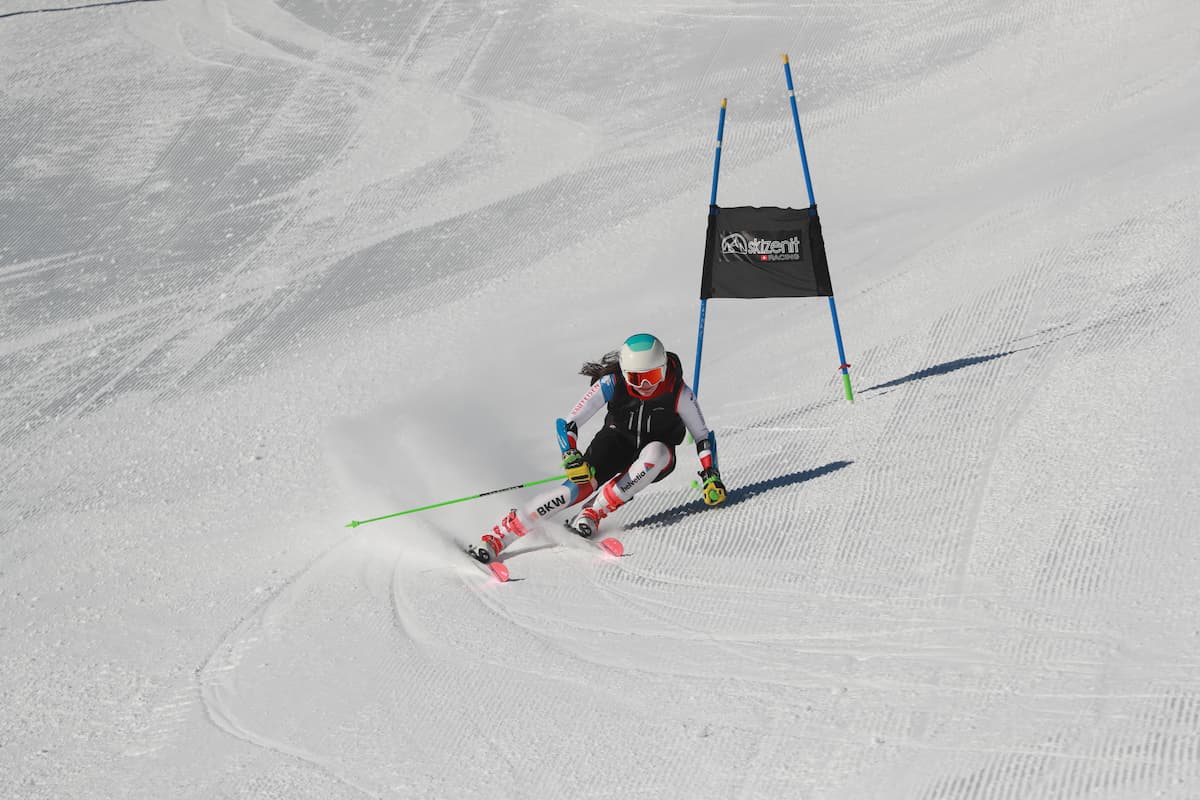
Choosing Switzerland for ski race training means selecting some of the highest quality and most challenging terrain available globally. Athletes, parents, and masters racers who come to us at Ski Zenit know that the Swiss Alps offer unparalleled conditions, especially on the glaciers of Zermatt and Saas-Fee.
However, a question we hear all the time is straightforward: What is the actual cost of Swiss ski race camp?
It’s true that quality training in Switzerland requires a significant investment, but understanding exactly where that money goes helps you budget effectively and appreciate the value you receive.
We want to make sure you have a clear picture of the variables involved, from coaching fees to accommodation choices, so you can plan your next step with confidence.
Content
What determines the overall expense of your ski training program?
The total price tag for any high-level training program isn’t a single flat fee. It’s a combination of several moving parts, all designed to deliver an optimized training experience. When you look at Swiss programs, three main factors usually influence the final number: duration, location, and the level of service included.
Duration and location: Zermatt vs. Saas-Fee costs
The length of your stay is the easiest variable to calculate. Most programs offer options ranging from one-week intensive camps to multi-week or even season-long programs. Naturally, committing to a longer block often results in a lower daily rate, which can be a smart way to manage your overall budget.
The location also plays a significant role. Switzerland, while compact, has different cost profiles depending on the resort.
Zermatt, home to the iconic Matterhorn, is generally considered a premium destination. While the training facilities are world-class—offering some of the highest year-round skiing in Europe—the costs for lodging, lift passes, and dining tend to be higher than in other regions.
Saas-Fee, often called the “Pearl of the Alps,” provides exceptional glacier training with a slightly different price point. While still offering elite access, the village atmosphere and specific accommodation options can sometimes allow for slightly more budget-conscious planning. When considering affordable ski race training, looking closely at Saas-Fee options is often a good start without sacrificing training quality.
Program type: specialized training costs
Are you focusing purely on Slalom (SL) and Giant Slalom (GS), or do you require specialized speed training?
Standard technical camps (SL/GS) form the backbone of most programs. If you are looking for specific Super-G (SG) or Downhill (DH) clinics, the costs can shift.
Speed training often requires access to dedicated, longer tracks, specialized safety netting, and a higher coach-to-athlete ratio due to the inherent risks and technical demands.
Similarly, training for junior athletes versus adult masters racers might have different pricing structures based on the required level of support, supervision, and logistics.
Inclusions: understanding the camp package
One of the biggest variables in the cost of Swiss ski race camp is what is actually bundled into the quoted price.
Some academies quote a “coaching-only” fee, leaving the athlete responsible for all other logistics. Others offer comprehensive, all-inclusive packages.
At Ski Zenit, we find that transparency is essential, so we usually separate the core components. However, when you compare quotes, always check if these items are covered:
- Coaching and lane fees: This covers the expertise, the daily setup and tear-down of the training course, video analysis sessions, and personalized feedback.
- Lift passes: These are mandatory and can be surprisingly expensive in Switzerland, especially for multi-day or multi-week use.
- Accommodation and meals: Whether it’s hotel stays, shared apartments, or self-catering options.
- Ground transportation: Transfers to and from the training hill, especially important in places like Zermatt where you rely on mountain lifts and trains.
If a camp seems significantly cheaper than others, it usually means lift tickets or accommodation are not included, which can double your final expenditure quickly.
Breaking down the typical expenses: an itemized look
To help you get a better handle on budgeting, let’s look at the estimated weekly costs for a typical high-level camp focused on technical disciplines (SL/GS) during the fall glacier season (e.g., October/November).
Please remember these figures are estimates and can fluctuate based on the specific resort, the current exchange rate (CHF to USD), and the level of accommodation chosen.
| Cost component | Estimated weekly range (USD) | Notes |
|---|---|---|
| Coaching & lane access | $1,000 – $1,800 | Highly dependent on coach-to-athlete ratio and program intensity. |
| Lift pass (6 days) | $400 – $550 | Swiss lift passes are high-cost; multi-day discounts apply. |
| Accommodation (Shared/Half-Board) | $700 – $1,200 | Assumes shared athlete housing or budget hotel with breakfast/dinner. |
| Food & incidentals (self catering) | $300 – $500 | Cost of groceries and basic needs. Eating out increases this significantly. |
| Estimated total per week (minimum) | $2,400 – $4,050 | This range reflects a high-quality program with varying lodging choices. |
As you can see, the weekly commitment is substantial, but it reflects the level of infrastructure, safety, and coaching quality required for elite training in the Alps.
Coaching fees: the price of expertise
The largest single line item is often the coaching fee. When you pay for elite training, you are paying for direct access to highly certified professionals who have experience working with national teams, NCAA athletes, or World Cup circuits.
This fee covers more than just the coach standing on the hill. It includes:
- Course setting: Ensuring the gates are set to challenge your specific level and goals, following international standards.
- Video analysis: Daily feedback sessions using state-of-the-art video equipment to refine technique.
- Small group sizes: At Ski Zenit, we prioritize a small coach-to-athlete ratio. This means you get more personalized attention, more runs through the course, and immediate feedback, which accelerates improvement far faster than in large groups.
- Logistics: The time and effort involved in transporting gear, setting up safety measures, and coordinating training space with other international teams.
If you are serious about technique advancement, this is the area where cutting costs is generally not advisable, as the quality of coaching directly impacts your results.
Accommodation and food options for athletes
Accommodation is where you have the most flexibility to manage the cost of Swiss ski race camp.
For younger athletes or those focused purely on performance, shared athlete apartments or chalets are usually the most cost-effective solution. This setup allows for self-catering, significantly reducing food expenses. A shared apartment in Saas-Fee, for example, will be considerably less expensive than an individual hotel room in Zermatt.
If you opt for half-board (breakfast and dinner included), you save time on cooking, but the cost increases. For Masters racers or private athletes seeking more comfort, a quality hotel might be preferred, but you must account for the higher price point.
When budgeting for food, remember that athletes require significant caloric intake. Switzerland is known for its high grocery prices, so planning meals and cooking in groups helps keep the food budget manageable.
The unexpected costs: equipment, travel, and insurance
Even after you’ve settled the camp fees, you need to account for expenses that occur outside the training bubble.
- Travel: Flights, trains, and transfers to the resort. Swiss public transportation is efficient but expensive. Booking travel well in advance is essential.
- Equipment: Do your skis need tuning? Are you bringing spare pairs? High-frequency training on hard glacier snow means your equipment will wear out faster. Budget for professional tuning services or the materials needed to do it yourself.
- Insurance: This is absolutely non-negotiable for ski racing. You need comprehensive travel insurance that specifically covers winter sports, emergency medical evacuation (especially helicopter rescues in the Alps), and liability. Never travel to a Swiss race camp without adequate insurance coverage.
These “hidden” costs can easily add $1,000 to $2,000 to your total expedition budget, depending on your origin country and equipment needs.
Finding affordable ski race training in switzerland
The term “affordable” is relative when discussing elite training in the Swiss Alps, but we believe elite training should be accessible. The goal isn’t necessarily to find the cheapest camp but to find the one that provides the best value for your investment—high-quality results without unnecessary frills.
Here are a few ways athletes manage to reduce the overall financial burden:
1. Commitment to longer sessions
If you can commit to three weeks instead of one, the camp provider can often offer a reduced weekly rate. This allows for deeper integration into the training schedule and better results, maximizing the return on your travel investment. If you fly across the Atlantic for training, staying longer simply makes financial sense.
2. Choosing self-catering accommodation
This is the single biggest area for savings outside of the coaching fee. By selecting self-catered apartments and sharing cooking responsibilities with teammates or family, you can cut the accommodation and food costs by 30% or more compared to hotel stays.
3. Utilizing specialized lift pass deals
If you plan to stay for the entire season or multiple months, investigate local ski academy passes or long-term regional passes offered by the resorts (like the Zermatt Bergbahnen or Saas-Fee passes). These multi-month options are significantly cheaper per day than buying weekly passes repeatedly.
4. Targeted training blocks
Instead of attending a general 10-week program, focus your budget on highly targeted training blocks. For example, focusing only on a two-week Super-G clinic where you know you will get high-quality speed mileage can be a better use of funds than spending four weeks in a mixed technical program if speed is your priority.
Specialized programs and their international ski academy prices
Training needs vary greatly depending on the athlete’s age, level, and specific goals. A 16-year-old aspiring FIS racer has very different requirements than a seasoned adult looking to improve their technique or participate in Masters racing.
Junior ski camp fees vs. adult masters training
For junior ski camp fees, the cost structure often includes mandatory full supervision, pastoral care, and organized evening activities, which adds to the operational cost. Junior camps usually require a higher staff-to-athlete ratio to ensure safety and discipline, making the per-athlete cost slightly higher than for independent adult athletes.
For Adult Masters training, the focus shifts entirely to on-snow performance and technique refinement. Masters racers usually handle their own lodging and meals, allowing them to pay strictly for the coaching, lift access, and technical support. This often makes the coaching-only component of Masters programs more streamlined and potentially less expensive than a full-service junior camp.
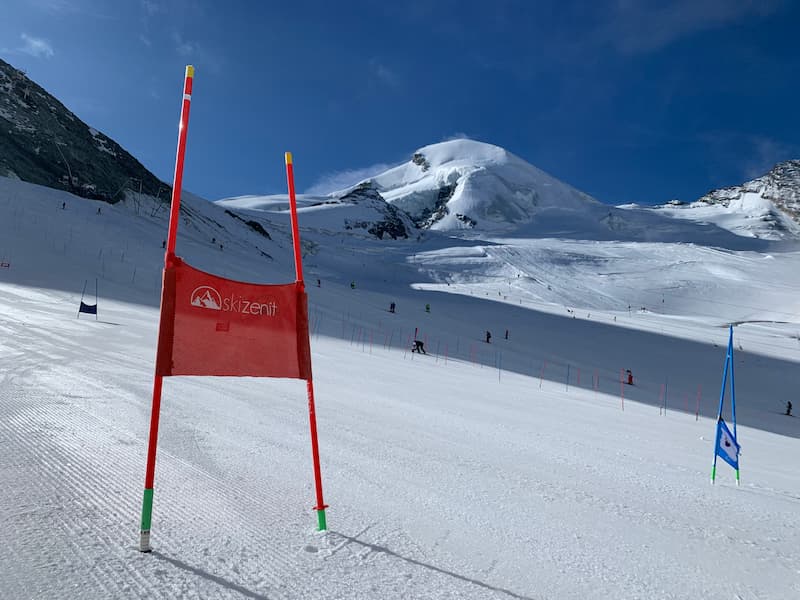
At Ski Zenit, our Adult Masters training offers a flexible schedule, recognizing that these athletes often have professional lives. We focus on maximizing efficiency during their time on the hill, ensuring every run counts.
Super-G clinics and high-speed training costs
Super-G (SG) and Downhill (DH) training always command a higher price point than Slalom or GS. This is standard across all international ski academy prices.
Why the difference?
- Slope access: SG requires specific, long, and often separate courses that aren’t always available to technical camps. Securing this exclusive training space is costly.
- Safety requirements: Setting up B-netting safety fences and ensuring proper course preparation for high speeds is labor-intensive and requires more resources and personnel.
- Specialized coaching: Coaches running SG clinics need specific certifications and experience with speed disciplines, commanding higher rates.
If speed is your goal, expect to budget about 15-25% more for a dedicated SG clinic compared to a standard technical camp. However, the quality of speed mileage gained in the Swiss Alps is unmatched, making it a worthwhile investment for athletes aiming for FIS or professional circuits.
Access to Swiss elite training for private athletes: what to expect
One of the unique aspects of training in Switzerland is the opportunity for private athletes—those not affiliated with a national team or large club—to access genuinely elite training environments.
For a private athlete, the investment is not just about the cost; it’s about efficiency and personalized development. When you join a smaller, specialized program like ours, you are buying into the following value propositions:
Personalized attention and technical focus
Unlike large team camps where athletes might get lost in the numbers, private training groups are small. This allows coaches to customize drills, tailor video feedback, and adjust the course setting to your exact skill level and goals. If you have specific technical faults you need to iron out, this focused approach is highly effective.
Flexibility in scheduling
Private athletes often need flexibility. Maybe you can only train for 10 days, or you need to shift your focus from GS to SL mid-week. Smaller academies are typically more agile and can accommodate these needs better than large, rigid national programs.
Training alongside the best
When you train on the Swiss glaciers, you share the training space with World Cup teams, European Cup teams, and top international federations. This exposure is invaluable. You get to see the standards, the pace, and the professionalism required at the highest level. You’re not just paying for coaching; you’re paying for the environment that pushes you to be better.
We often tell athletes that the real value of the Swiss experience is the density of quality—quality snow, quality coaching, and quality competition—all condensed into one location. This environment naturally accelerates skill development.
Maximizing the return on your training investment
Since the cost of Swiss ski race camp is significant, you want to ensure you are getting the maximum benefit from every dollar spent. This requires preparation and commitment before you even step onto the glacier.
Physical preparation is key
Show up fit. If you spend the first week recovering from travel or trying to build basic fitness, you are wasting valuable on-snow time and money. Elite ski racing demands year-round physical conditioning. If you arrive in top shape, you can immediately handle the high volume of runs and the intense technical demands, maximizing your training ROI.
Define your goals clearly
Before booking, have a clear conversation with your coach about your specific goals for the camp. Are you working on pressure application? Are you refining your tuck position for speed? When the coach knows exactly what you want to achieve, they can tailor the course setting and feedback to hit those targets precisely. Vague goals lead to vague training.
Embrace the technical analysis
Video analysis is one of the most powerful tools we use. It’s not enough to simply watch yourself ski; you need to engage with the feedback. Ask questions. Compare your video to that of top racers. The commitment to technical study off the hill is just as important as the runs you take on the hill.
We’ve seen countless athletes upgrade their technique dramatically simply by committing fully to the video sessions and translating those insights directly into the next day’s training runs.
Ready to take the next step?
Planning a Swiss ski race camp requires careful financial preparation, but the return on investment in terms of technical skill advancement and exposure to elite training environments is truly unmatched.
By understanding the components of the cost of Swiss ski race camp—coaching expertise, high-altitude logistics, and flexible lodging options—you can create a budget that supports your athletic ambitions.
We pride ourselves on offering accessible elite training, ensuring every athlete, regardless of age or nationality, receives the personalized attention needed to reach their peak performance.
If you’re ready to experience the world-class training environment of Zermatt or Saas-Fee, it’s time to act.
Join the expedition, upgrade your technique, or visit the ski camp that will redefine your racing career.