
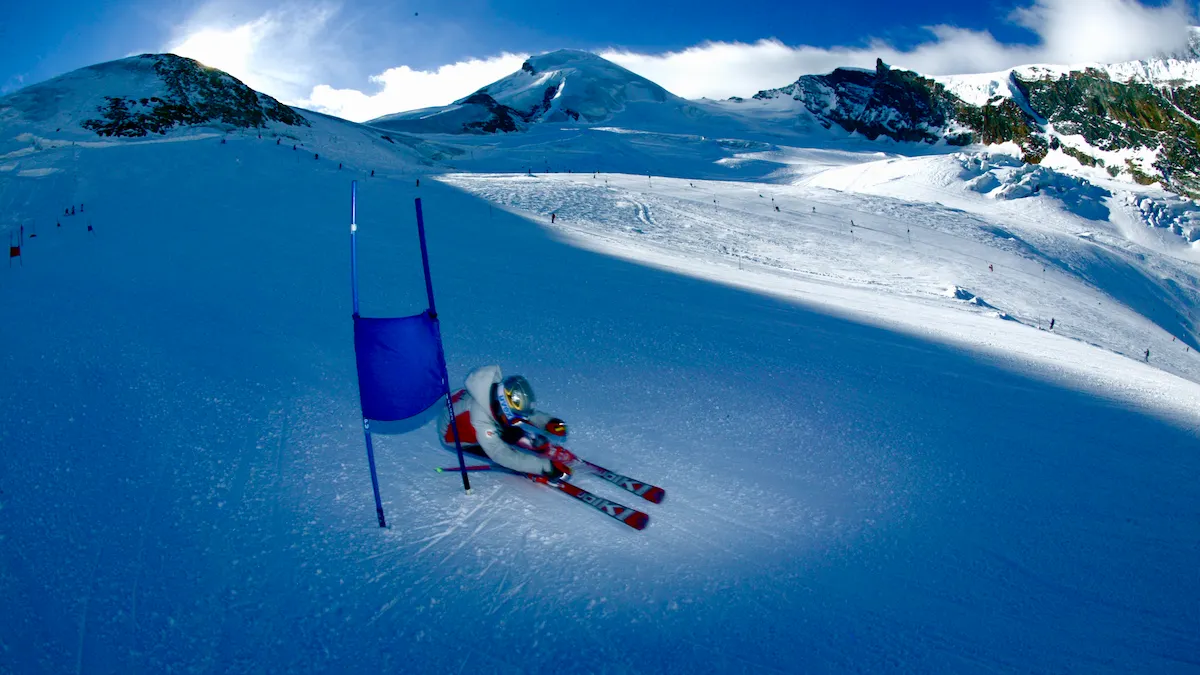
Training at high altitude changes how your body performs on the slopes. When you head to glaciers like those in Zermatt or Saas-Fee, you are often working at elevations above 3,000 meters. At this height, the air is thinner, and there is less oxygen available for your muscles.
For an alpine racer, this means your heart works harder, your breathing speeds up, and you might feel tired much faster than usual. Preparing your body for these conditions is a smart move if you want to make the most of your time in the gates.
Getting ready for a high-altitude camp starts long before you arrive at the mountain. It involves a mix of physical conditioning, smart eating habits, and a clear plan for your first few days on the snow.
By taking the right steps, you can avoid common issues like altitude sickness and keep your energy levels high for every run. This guide looks at what you can do to get your body and mind ready for the unique challenges of elite mountain training.
Content
Understanding the impact of thin air on your performance
The main challenge of high-altitude skiing is the drop in atmospheric pressure. This change makes it harder for your lungs to get oxygen into your bloodstream. As a result, your muscles don’t get the fuel they need as quickly as they do at sea level. You might notice that even simple tasks, like carrying your skis to the lift or walking up a small incline, leave you feeling out of breath. For a competitive skier, this directly impacts your ability to maintain high intensity throughout a long training session.
Your body has ways of adapting to this environment, but these changes take time. Within the first few hours, your heart rate increases to pump more blood. Over several days, your body starts producing more red blood cells to carry oxygen more efficiently.
Because these processes require energy, you might feel more fatigued than usual during your first week. Recognizing these physiological shifts helps you adjust your expectations and your training volume accordingly.
Why oxygen levels matter for alpine racers
In alpine racing, explosive power and quick recovery are key. When oxygen is scarce, your body relies more on anaerobic energy systems. This leads to a faster buildup of lactic acid in your legs. You might find that your legs feel “heavy” much sooner during a GS or Slalom block.
If you aren’t prepared, this fatigue can lead to a breakdown in technique or, in some cases, an increased risk of injury. Understanding this helps you see why pre-trip conditioning is so helpful.
Physical conditioning before you head to the mountains
You can’t fully simulate high altitude at sea level without specialized equipment, but you can build a physical engine that handles stress better. Focusing on your aerobic capacity is a great way to start.
A strong cardiovascular system allows your body to use the available oxygen more effectively. Activities like cycling, running, or swimming at a steady pace help build this foundation. Aim for longer sessions where you keep your heart rate in a moderate zone.
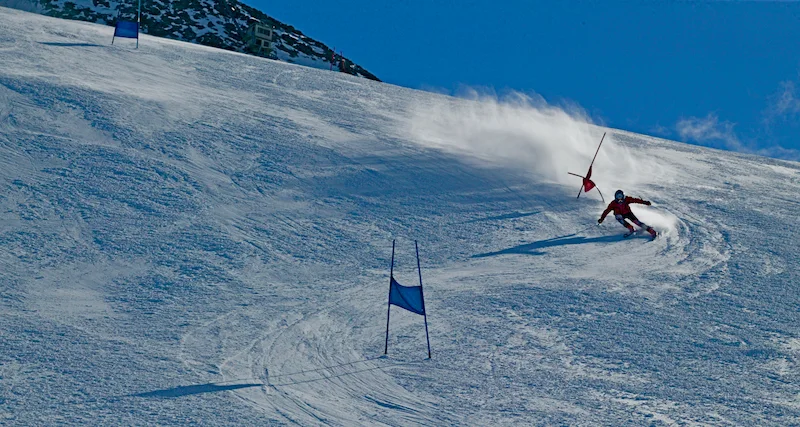
In addition to cardio, strength training remains vital. However, when preparing for altitude, you might want to include some high-repetition work with shorter rest periods. This teaches your body to recover quickly when oxygen is limited. It’s also helpful to focus on core stability.
When you are tired at 3,500 meters, your form is the first thing to go. A strong core helps you stay balanced and centered over your skis even when you are gasping for air at the end of a long course.
Building an aerobic base for the glacier
Consistency is more important than intensity when building your base. Try to get at least three to four aerobic sessions per week in the month leading up to your camp.
If you have access to hilly terrain, use it. Hiking or running uphill is a fantastic way to mimic the demands of mountain environments. As you get closer to your departure date, you can add some interval training to boost your peak power, but don’t overdo it. You want to arrive at the glacier feeling fresh, not overtrained.
Nutrition and hydration for high altitude success
What you put into your body has a massive impact on how you feel at high altitude. The air in the mountains is very dry, and you lose a lot of moisture just by breathing. On top of that, your body uses more energy simply to maintain its basic functions in the thin air. This means your typical diet and hydration routine might not be enough. It needs to be tailored to alpine skiers who are pushing their limits in a demanding environment.
One of the most common mistakes athletes make is waiting until they feel thirsty to drink. By then, you are likely already dehydrated. Dehydration makes altitude symptoms worse and slows down your reaction times on the track.
Similarly, your body burns carbohydrates more quickly at high altitudes. You need to ensure you are eating enough to keep your glycogen stores full, providing the “high-octane” fuel your muscles need for explosive turns.
Why you need more fluids than you think
At high altitudes, you lose water through “insensible perspiration”—moisture that evaporates from your skin and lungs without you noticing. You should aim to drink plenty of fluids throughout the day, even when you aren’t on the snow. Water is great, but adding electrolytes is even better. Electrolytes like sodium, potassium, and magnesium help your cells stay hydrated and prevent cramping. A good rule of thumb is to check the color of your urine; it should be pale yellow. If it’s dark, you need to drink more immediately.
Fueling your muscles with the right nutrients
When you are training hard, you need to eat well to support recovery. Focus on complex carbohydrates like whole grains, pasta, and potatoes. These provide a steady stream of energy. Iron is another important factor. Since your body is trying to make more red blood cells, it needs iron to do the job. Including iron-rich foods like lean red meat, spinach, or lentils in your meals can be very beneficial. Some athletes also find that smaller, more frequent meals are easier to digest at altitude than three large, heavy meals.
The first few days: acclimation and training load
The way you handle your first 48 to 72 hours on the mountain often determines how the rest of your camp goes. It is tempting to jump right into full-speed gate training the moment you arrive, but your body needs time to adjust. A gradual approach is much more effective in the long run. You should acclimate by doing slightly easier sessions during the first few days. This allows your heart and lungs to catch up without putting you in a deep physical hole that you can’t climb out of later.
During these initial days, focus on technical drills and free skiing rather than high-intensity racing. This gives you a chance to find your balance and feel the snow without the added pressure of the clock. It also helps you monitor how your body is responding to the height. If you feel a slight headache or dizziness, it’s a sign to back off and rest. Taking it easy early on usually leads to much better performance in the second half of the camp.
| Day | Training focus | Intensity level | Hydration goal |
|---|---|---|---|
| Day 1 | Free skiing and basic drills | Low | 4-5 Liters |
| Day 2 | Technical drills, no gates | Low/Medium | 4-5 Liters |
| Day 3 | Introduction to easy gates | Medium | 4 Liters + Electrolytes |
| Day 4 | Full gate training blocks | High | 4 Liters + Electrolytes |
| Day 5 | Race simulation / Timed runs | Very High | 4-5 Liters |
Recovery strategies for better training days
Recovery is just as important as the training itself, especially when the air is thin. At high altitude, your body takes longer to repair muscle tissue and clear metabolic waste. This means you have to be proactive about your downtime. Sleep is the most powerful recovery tool you have, but many people find it harder to sleep well at high altitudes. The air is dry, and some people experience a “tossing and turning” sensation as their breathing patterns adjust.
To improve your sleep, try to keep your room cool and use a humidifier if possible. Avoid caffeine in the afternoon and evening. Beyond sleep, light movement after training can help. A 15-minute easy walk or some gentle stretching can help flush your legs and keep you from feeling stiff the next morning. Many professional racers also use compression gear or cold-water immersion to help manage inflammation and keep their legs feeling fresh for the next day’s session.
As we saw earlier with nutrition, what you eat right after training matters too. There is a “window” of about 30 to 60 minutes after you finish your last run where your body is most efficient at absorbing nutrients. A mix of protein for muscle repair and carbohydrates to refill energy stores is ideal. A simple recovery shake or a turkey sandwich can make a big difference in how you feel when the alarm goes off the next morning.
Gear and equipment for glacier conditions
High-altitude skiing usually means glacier skiing, and glaciers have very specific snow conditions. The snow is often very abrasive and can change rapidly from rock-hard ice in the morning to soft slush in the afternoon. Your equipment needs to be ready for these extremes. Using the right wax is a good starting point. Glacier snow is often very cold and “sharp,” so a harder base wax is usually needed to protect your skis and keep them sliding fast.
You also need to think about protection from the elements. The sun is much stronger at high altitudes because there is less atmosphere to filter out UV rays. This applies even on cloudy days. High-quality goggles with the right lenses are a must for visibility and eye protection.
Similarly, your skin needs a high-SPF sunscreen. Even a small sunburn can sap your energy and make your recovery harder. Staying comfortable in your gear allows you to focus entirely on your line and your technique.
As you may have noticed in this article, preparation is about managing small details that add up to a big difference. Whether it is the wax on your skis or the amount of water in your bottle, every choice you make influences your performance on the track. When you arrive at a camp in a place like Chile or the Swiss Alps, you want your only focus to be on your skiing, not on why you feel tired or sluggish.
Mental preparation for the challenges of altitude
The physical toll of high altitude can sometimes lead to mental fatigue. When your body is working hard just to stay oxygenated, it can be harder to maintain the intense focus required for ski racing. You might find yourself making small mental errors or feeling frustrated more easily. Preparing for this mentally is just as useful as the physical side of things. Accept that some days will feel harder than others and that your “top speed” might feel different than it does at lower elevations.
Using visualization techniques can help you stay sharp. When you are resting between runs, take a moment to run through the course in your mind. This keeps your brain engaged with the task without adding extra physical strain.
Staying positive and patient with the acclimation process is key. Most athletes find that by the fourth or fifth day, they start to feel a “second wind” as their body begins to adapt. Pushing through those first few days with a good attitude sets the stage for a successful training block.
Working with coaches who understand these dynamics is also a huge advantage. They can help you adjust your training plan on the fly based on how you are feeling. If the whole group is showing signs of altitude fatigue, a smart coach will pivot to lower-intensity technical work rather than forcing a high-intensity session that might lead to mistakes. This collaborative approach ensures that every hour spent on the snow is productive and safe.
Common mistakes to avoid during high altitude camps
One of the biggest errors is ignoring the early signs of altitude sickness. Headaches, nausea, and extreme fatigue are your body’s way of saying it needs a break. Pushing through these symptoms rarely leads to good training and can actually set you back several days if the condition worsens. It is much better to take a half-day off early on than to be forced off the mountain for three days later because you ignored the warnings.
Another mistake is over-training in the gym after a day on the snow. While it is tempting to keep up your usual strength routine, your recovery capacity is limited at altitude.
You might find that a “maintenance” level of gym work is more appropriate than trying to set new personal records. Listen to your body and prioritize the work on the snow, as that is the primary reason you are at the camp. Balance is the name of the game when you are living and training in the thin air.
Lastly, don’t forget about the importance of staying warm. Even if the sun feels hot, the air temperature on a glacier can be very low. Being cold uses up even more energy as your body tries to stay warm.
Layering your clothing properly helps you manage your body temperature throughout the day. When you are standing at the top of a course waiting for your turn, having a warm jacket can help keep your muscles from tightening up, ensuring you are ready to go the moment you push out of the start house.
Preparing for the mountains is a journey that starts with your first workout and ends with your last run of the camp. By focusing on hydration, nutrition, and a smart approach to your first few days, you put yourself in the best position to succeed.
The thin air is a challenge, but it is also an opportunity to build incredible fitness and take your racing to a new level. With the right plan in place, you can handle whatever the glacier throws at you.