


Whether you’re new to skiing or a seasoned pro, understanding the differences between cross-country and downhill skiing can enhance your experience on the slopes. In this article, we’ll explore the key differences in terrain, equipment, and the unique skills required for each style.
From specialized gear to the fitness benefits of each type, we’ll guide you through everything you need to know to prepare for your next adventure. Let’s dive in and get you ready for an unforgettable time on the snow!
Content
Key differences between cross country skis vs downhill skis
Terrain and Speed
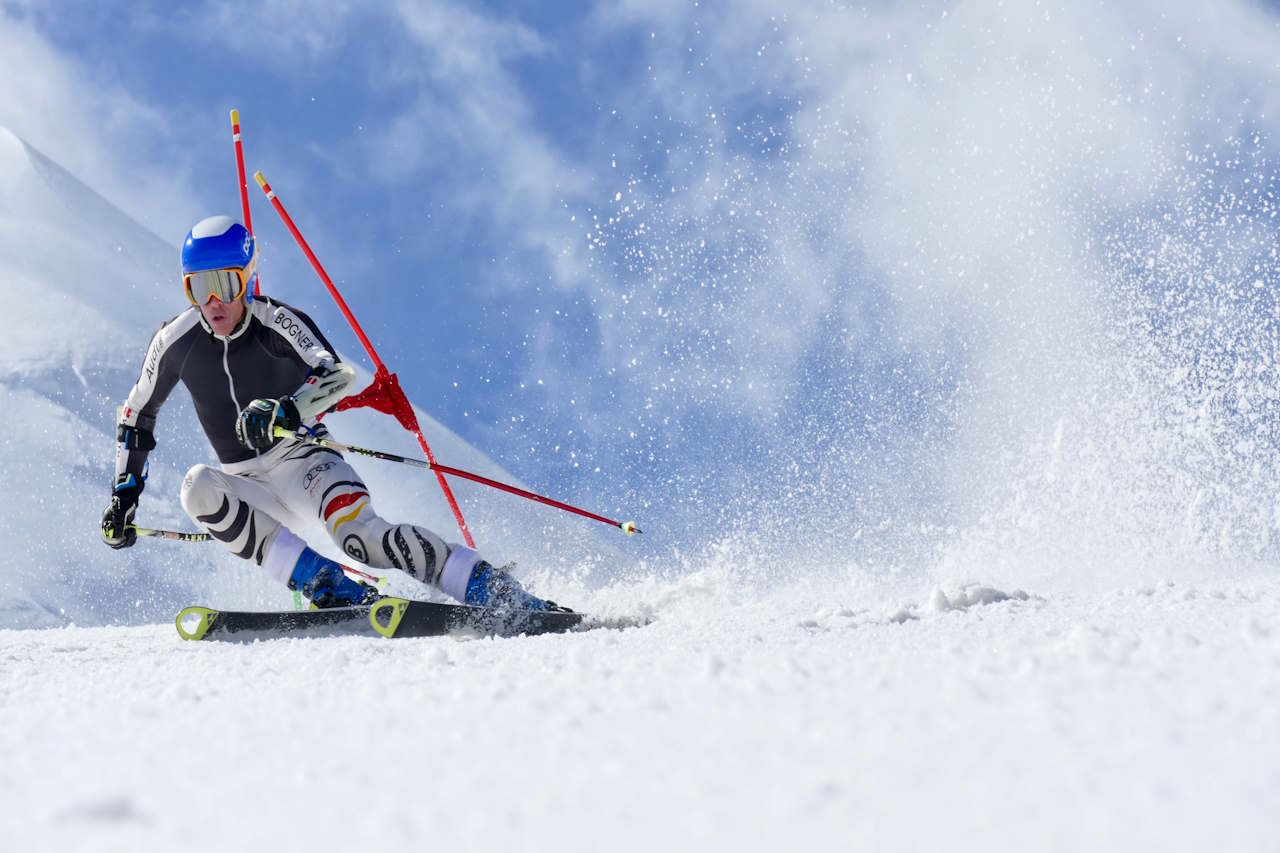
One of the principal distinctions between cross country and downhill skiing lies in the terrain each sport covers. Downhill skiing, as the name suggests, focuses on descending the slopes of a mountain. This involves navigating steep, often challenging paths solely downhill.
Conversely, cross-country skiing encompasses a broader range of terrain. Skis designed for cross-country can tackle gentle inclines, declines, and even flat surfaces. This versatility allows for a varied and dynamic skiing experience, making it suitable for diverse landscapes.
Speed also marks a clear divergence between the two. Downhill skiing harnesses the force of gravity to propel skiers at high speeds, often providing an adrenaline rush akin to that of roller coasters. On the other hand, cross-country skiing relies on the skier’s effort to generate momentum, resulting in a slower, more endurance-based activity.
Ultimately, choosing between these sports may depend on whether one seeks the thrill of speed or the endurance challenge offered by varying terrains.
Learning curve and skill requirements
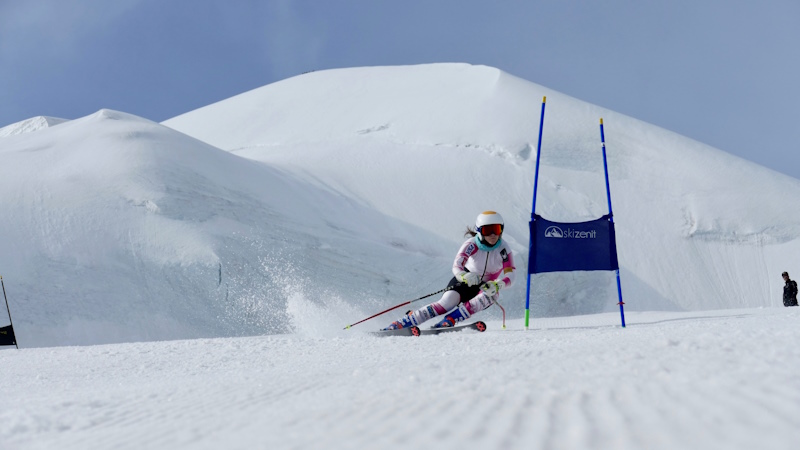
Another important factor distinguishing these two sports is the learning curve. It is widely acknowledged that downhill skiing demands substantial technical skill development. The necessity to manage high speeds, challenging slopes, and precise turns means that beginners often need lessons and a considerable amount of practice before they feel confident on the slopes.
In contrast, cross-country skiing typically presents a lower barrier to entry. The movement patterns, while physically demanding, are more intuitive and less technically complex. This makes it an accessible option for those who are physically fit but may not want to invest significant time in mastering intricate techniques.
Engaging in either sport provides excellent cardiovascular benefits, yet the approach to learning each can be a decisive factor for enthusiasts and beginners alike.
Essential gear for cross country and downhill skiing
Specialized Skis
When it comes to skiing, choosing the right type of ski is crucial. The skis you use for cross country skiing and downhill skiing are quite different due to their specific functional requirements.
Cross country skis are typically thinner and lighter. Their length allows for efficient gliding over flat or varied terrain. For those unfamiliar with this sport, it’s comparable to the difference between a racing bike and a mountain bike.
On the other hand, downhill skis are sturdier and designed to provide stability at high speeds. They are shorter and wider, offering better balance and control on steep descents. This is akin to the sturdiness needed in a four-wheel-drive vehicle for rough terrains.
Key differences include:
- Cross Country Skis: Lightweight and long for better gliding, suited for varied terrain.
- Downhill Skis: Shorter and heavier for stability, designed for speed and steep slopes.
- Bindings: Cross country skis use a flexible binding, while downhill skis have rigid bindings for safety.
It’s essential to choose skis that match your skiing style. The right skis can significantly enhance your performance and enjoyment on the slopes.
Boots and outerwear
Proper footwear and clothing are vital for a successful skiing experience. The boots you select should complement the type of skis you are using.
In cross country skiing, boots are generally lighter and more flexible. They need to allow free movement while providing warmth and support. Think of them like lightweight hiking boots.
Downhill skiing boots, however, are robust and offer significant ankle support. They are designed to lock into the ski bindings securely, preventing injury during high-speed descents. These boots can be compared to sturdy, protective hiking boots.
When it comes to outerwear, layering is the key. You will need:
- Base Layers: Moisture-wicking materials to keep you dry.
- Insulation Layers: Provide warmth, usually made of fleece or down.
- Outer Shell: Waterproof and windproof jackets and pants to protect against the elements.
This combination ensures you stay warm, dry, and comfortable regardless of the weather conditions.
Safety equipment
Safety is paramount when skiing. The right equipment can prevent injuries and accidents.
Helmets are non-negotiable for both cross country and downhill skiing. They protect against head injuries, which can be severe and life-threatening. Picture wearing a helmet while riding a bike—it’s just as crucial on the slopes.
Other essential safety gear includes:
- Goggles: Protect your eyes from snow glare and any debris.
- Poles: Used for balance and navigation, especially in cross country skiing.
- Protective Padding: For downhill skiing, consider knee and elbow pads for extra protection.
Incorporating these items into your gear ensures that you can enjoy the sport while minimizing risks.
Comparing fitness benefits: Cross country skiing vs downhill skiing
Muscle engagement and cardio
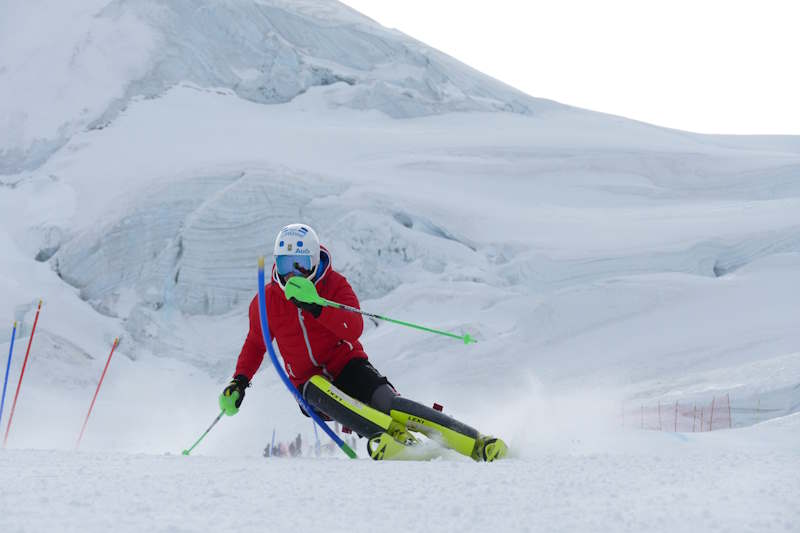
When it comes to muscle engagement, both skiing styles involve different but intensive workouts. Downhill skiing predominantly engages the muscles of the legs and core. Skiers must utilize their quadriceps, hamstrings, glutes, and abs to maintain balance and control at high speeds. This high-intensity nature makes it similar to HIIT workouts, involving short bursts of energy that enhance cardiovascular strength.
On the other hand, cross-country skiing is more of a full-body workout. It requires the use of the shoulders, core, leg abductors, and calves to propel forward on the snow. This not only strengthens these muscle groups but also promotes muscular endurance. Cross-country skiing is largely about sustained effort, making it an excellent aerobic and anaerobic cardio exercise.
In downhill skiing, the heart rate spikes during those quick, intense runs. Cross-country skiing, however, keeps the heart consistently elevated over a longer period. Which approach suits your fitness goals better?
Thus, choosing between these styles depends significantly on whether one prefers high-intensity interval workouts or consistent endurance training.
Endurance and high-intensity workouts
Endurance and intensity define the core difference between cross-country and downhill skiing. Downhill skiing’s similarity to high-intensity interval training (HIIT) makes it ideal for those seeking short but powerful workouts. Skiers get brief periods of high exertion followed by recovery on the ski lift, much like a typical HIIT session.
Conversely, cross-country skiing is synonymous with endurance workouts. Skiers continuously engage their muscles and cardiovascular system over extended periods. This type of skiing is akin to long-distance running but on snowy terrains, which can be more challenging yet rewarding.
Consider the aspect of high altitude training. Downhill skiing often occurs at higher elevations, where reduced oxygen levels can significantly boost endurance. This is beneficial for athletes aiming to enhance their aerobic capacity under demanding conditions.
The question remains – what kind of workout are you looking for? While downhill skiing favors those craving high-intensity exertion, cross-country skiing suits individuals focused on building sustained endurance.
Impact on joints and bone health
Impact on joints and bone health is a crucial consideration for skiers and can significantly influence one’s choice of skiing style. Downhill skiing is classified as a high-impact sport. This nature can actually promote bone density and health when practiced safely, much like weightlifting. However, the high-impact nature also means increased risk of injuries such as fractured bones or sprains.
Cross-country skiing provides a lower-impact alternative. While not as gentle on the joints as swimming, it offers a less jarring experience compared to downhill skiing. This makes it suitable for individuals looking to protect their joints while still enjoying a rigorous workout.
For those with existing joint issues or a preference for a lower-risk activity, cross-country skiing presents a more favorable option. But, might the high-impact benefits of downhill skiing be more appealing?
Understanding the different impacts these styles have on your joints and bones can help you make a more informed decision suited to your health needs and preferences.
Preparing for your ski trip: Tips for cross country and downhill skiing
Building endurance
When preparing for a skiing trip, especially to a high-altitude destination like Mammoth, building endurance is paramount. Even seasoned athletes can find the altitude challenging, making it vital to start working on endurance as early as possible.
One effective method is incorporating hypoxic sports. These are activities performed in environments with limited oxygen, such as swimming. Swimming, in particular, can help your body acclimate to the oxygen deprivation experienced at high altitudes, thus enhancing your overall endurance.
Another way to build endurance is through cardiovascular exercises. Incorporate activities such as running, cycling, or rowing into your daily routine. These exercises not only improve cardiovascular health but also build the stamina needed for prolonged skiing activities.
Consider using a structured training program. Programs that combine aerobic exercises with interval training can effectively boost your endurance over time. Apps or online platforms offering tailored training plans can be particularly useful.
Consistency is critical. Aim to incorporate these endurance-building activities at least three to four times a week. Remember, the goal is to prepare your body to handle the physical demands of both cross country and downhill skiing efficiently.
Practicing similar activities
Engaging in activities that mimic the demands of skiing can significantly enhance your readiness for the trip. These activities help develop the necessary balance and stamina required for both cross country and downhill skiing.
One highly recommended activity is rollerblading. Rollerblading closely simulates the stance and movements of skiing, making it an excellent practice exercise. It not only helps in improving balance but also strengthens the muscles used in skiing.
Another beneficial activity is ice skating. For those focusing on cross country skiing, ice skating provides an opportunity to work on gliding techniques and overall balance. Local ice rinks can be a great place to start.
If you have access to a ski simulator, it can offer a realistic skiing experience. These simulators are designed to mimic the slopes, providing an excellent way to practice without snow.
Integrating these similar activities into your preparation routine ensures that you are not only physically ready but also familiar with the movements and techniques required for skiing.
Enhancing flexibility
Flexibility is often overlooked but is a critical component for skiing performance and injury prevention. Skiing involves various dynamic movements and sudden changes in direction, which can strain your joints and muscles.
To prepare, start with daily stretching routines. Focus on dynamic stretches that replicate the movements you’ll perform while skiing. Key areas to target include the hamstrings, quads, calves, and hip flexors.
Incorporate yoga or Pilates into your routine. These practices are excellent for enhancing overall flexibility and core strength, both of which are crucial for skiing. They also help in improving balance and stability.
Utilize tools such as foam rollers and resistance bands. Foam rolling can help in muscle recovery and increase flexibility, while resistance bands offer an effective way to deepen stretches and strengthen muscles.
Adopting a comprehensive flexibility regimen ensures that your body can handle the new movement patterns introduced during skiing. This preparedness helps in reducing the risk of injuries and enhances overall skiing performance.
Conclusion
Deciding between cross-country and downhill skiing depends on what kind of terrain, speed, and skill level you’re after. Cross-country skiing offers a serene journey through flat landscapes and a great full-body workout, while downhill skiing gives you thrilling descents and fast speeds. Your choice ultimately comes down to your fitness goals and sense of adventure.
Make sure you have the right gear—from specialized skis to proper boots and safety equipment—to stay safe and enjoy your time on the slopes. Building your endurance and flexibility, and practicing related activities can also boost your skiing performance. So get ready to start your skiing adventure today and let the mountains become your new passion!