
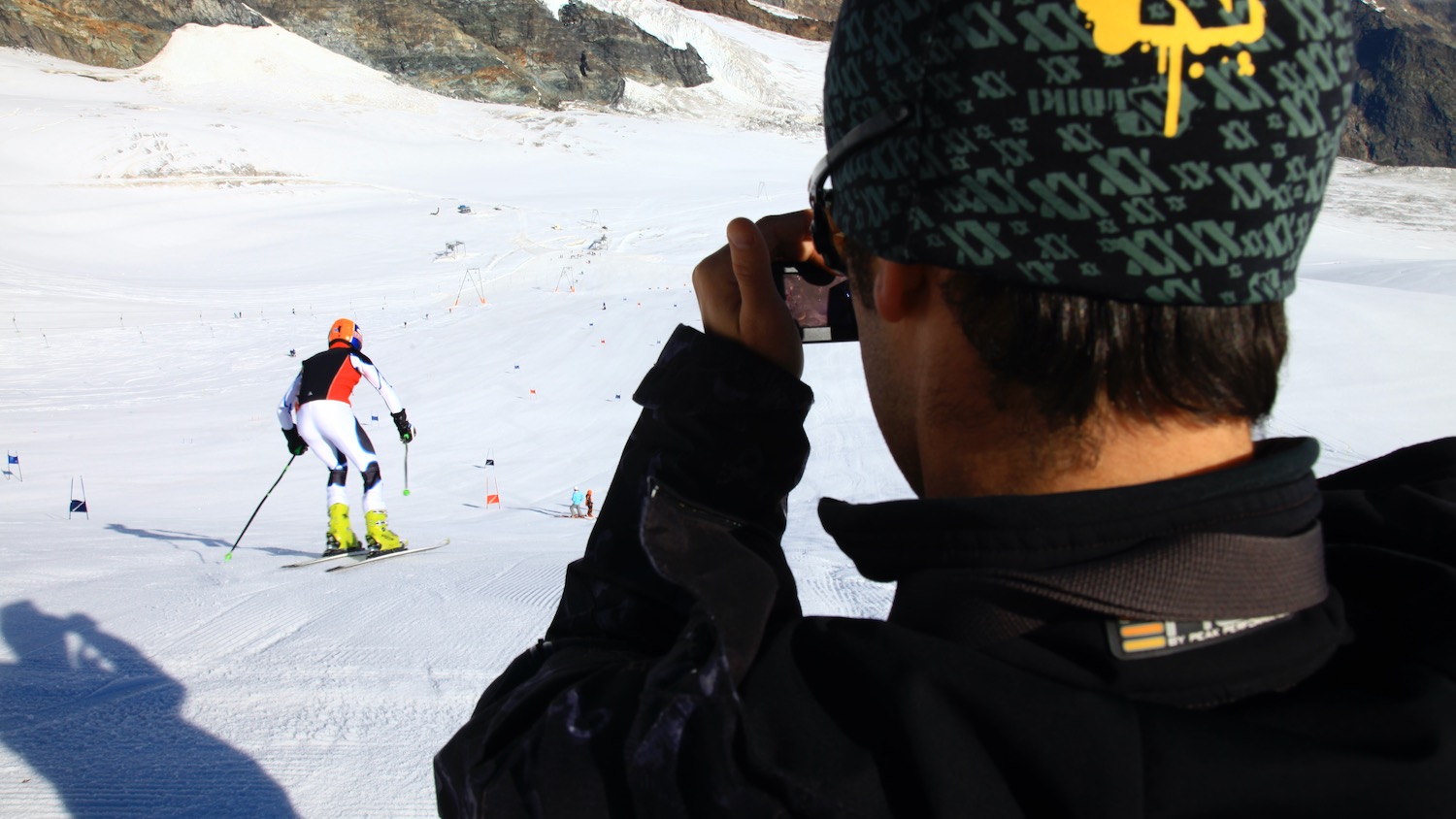
When you look at top alpine ski racers, you see speed, precision, and raw power. What you don’t always see is the decade-long journey of structured growth that made that performance possible.
Success in ski racing isn’t about getting fast quickly; it’s about having a sustainable plan that builds skills, physical capacity, and mental toughness over many years.
If you are a parent, a coach, or an athlete aiming for the highest levels—whether that means competing internationally or simply upgrading your technique significantly—you need a framework that guides training from childhood through adulthood. That framework is the concept of long-term athlete development alpine skiing (LTAD).
The LTAD model gives us a roadmap, ensuring that athletes train the right things at the right time, matching their biological and psychological maturity. This approach helps prevent burnout, reduces the risk of injury, and establishes a genuine love for the sport that lasts a lifetime.
Content
The foundation of success: what is long-term athlete development (LTAD)?
LTAD is essentially a philosophical shift in how we approach sports training. Instead of focusing on winning races at age 12, it focuses on maximizing an athlete’s potential when they reach physical maturity, typically in their late teens or early twenties. It recognizes that development is not linear; it happens in specific, overlapping phases.
The goal is to move away from early specialization, which often leads to physical imbalances and mental fatigue, and move toward a holistic system. This system prioritizes physical literacy—the ability to move competently and confidently in many environments—before specific ski racing skills are introduced at high intensity.
Why LTAD is essential for skiing career progression
Think about the physical demands of alpine skiing. It requires incredible coordination, explosive power, endurance, and precise balance. These qualities don’t develop overnight.
If you push a young athlete into high-volume gate training before their body is ready, you risk creating poor movement patterns that are hard to correct later, or worse, causing overuse injuries.
LTAD ensures that every training block, every season, and every year serves a specific purpose in the overall skiing career progression. For instance, a 10-year-old’s training should look vastly different from an 18-year-old’s training.
The younger athlete needs variety and fun to build foundational movement skills, while the older athlete requires highly specific periodization and high-intensity, specialized work, often in environments like the challenging glaciers of Zermatt or Saas-Fee, which we use for our high-level camps.
This structured approach is particularly important in alpine skiing because the competitive window for elite performance is relatively late compared to sports like gymnastics or swimming. We are planning for success years down the line, not just for next weekend’s local race.
The shift from participation to performance
In the early phases of LTAD, participation is the primary driver. We want kids to love being on the snow and enjoy the movement. As athletes mature, the focus gradually shifts toward performance, but the fundamental joy of skiing should always remain.
This transition requires careful coaching. We need coaches who understand the technical demands of elite racing but also the psychological needs of developing athletes. When athletes reach the stage where they are ready for high-level technical input, providing access to top-tier coaching—the kind that understands the nuances of World Cup preparation—becomes vital.
This is why having access to Swiss elite training for private athletes is such a powerful tool; it accelerates skill refinement at the right moment in their development cycle.
Let’s look at the specific phases of LTAD and how they apply to the alpine ski racer.
Phase 1: active start and fundamentals (ages 6-10)
This is where the adventure begins. For the youngest athletes, the focus is entirely on fun, movement, and variety. We are building the athletic base, not just the skiing base.
At this age, kids are sponges for new movement patterns. They should be encouraged to try every sport possible: running, jumping, swimming, gymnastics, and soccer. These activities build general physical literacy, which directly translates to better balance and coordination on skis later on.
Developing physical literacy on and off the snow
On the snow, training should be playful. Think free skiing, bumps, powder, terrain park features (safely, of course), and exploring the mountain. They should be learning to control their bodies in three dimensions, reacting to uneven terrain without thinking about rigid technique.
We often see parents eager to put their young children in gates immediately. While a brief introduction to gates can be fun, the bulk of the time should be spent perfecting the fundamental movements of skiing—edging, pressure, rotation—in a variety of conditions. They need to become great skiers first before they become great racers.
A good program at this stage looks like this:
- Multi-sport participation (3-4 sports per year).
- Focus on general athletic skills: running, throwing, catching, and agility.
- Skiing activities: free skiing, drills without gates, fun races, variable terrain.
- Low intensity and volume; high fun factor.
Phase 2: learning to train (ages 10-14)
This phase marks a significant transition. Athletes are now ready to handle more structure and understand basic training concepts. This is the core period for youth ski race training.
Physically, this stage aligns with the onset of the growth spurt (Peak Height Velocity or PHV). Coaches must be incredibly careful here. Rapid growth can temporarily disrupt coordination and increase the risk of injury. Training volume should increase gradually, but intensity needs to be managed carefully during periods of rapid growth.
Effective youth ski race training methods
The focus here shifts to learning proper technique and introducing specific physical preparation.
On the technical side, athletes start refining the specific movements needed for racing: carving, tactical line choice, and understanding basic course setting. We start introducing gate training more regularly, but it remains a tool for skill refinement, not just a measure of speed.
Dryland training moves from general play to structured exercise, teaching the athletes how to train: proper warm-ups, cool-downs, basic strength training using body weight, and flexibility work.
A key element we emphasize at Ski Zenit is versatility. We want athletes to be equally comfortable in Slalom (SL) and Giant Slalom (GS). This prevents early technical bias and ensures they develop a complete skill set before moving on to higher speeds.
| Focus Area | Ages 10-14 Application | Why it matters |
|---|---|---|
| Technical Skill | Introduction to gate training; emphasis on balanced stance and clean carving; varied terrain. | Builds foundational racing movements without engraining bad habits. |
| Physical Prep | Learning proper training habits (warm-up/cool-down), bodyweight strength, and coordination exercises. | Prepares the body for the demands of high-volume training later. |
| Psychological | Goal setting (process goals, not just outcome goals); learning to manage minor setbacks. | Develops resilience and self-awareness crucial for long-term commitment. |
We find that athletes who spend sufficient time in this phase, truly focusing on technique and physical preparation, are much better equipped for the intense demands of the next stage. If you skip this step, you spend years trying to fix technical flaws later on.
Phase 3: Training to train (ages 14-16)
This is often the most demanding phase, where training volume and intensity increase significantly. Athletes are usually post-PHV, meaning they are starting to solidify their physical strength and coordination. This phase defines successful junior development skiing.
The training environment becomes more specialized. Dryland training transitions from general strength to sport-specific strength and endurance. We start using weights and resistance training, focusing on developing the core stability and leg strength needed to handle high forces in racing.
On the snow, the focus is on mastering technical execution under fatigue. This is where specialized training environments, like the consistent, high-quality snow we find in Zermatt or Saas-Fee during early winter, become invaluable. Athletes need high-volume gate training with immediate, specific feedback.
Structured junior development skiing programs
In this phase, athletes start integrating specific disciplines. While SL and GS remain central, we introduce speed elements like Super-G (SG) and Downhill (DH) preparation. This introduction is not just about going fast; it’s about learning to handle the forces and aerodynamic positions required for speed events safely and effectively.
Periodization becomes a critical tool here. Periodization means strategically planning training cycles (macro, meso, micro) to ensure peak performance at key competition times while allowing adequate recovery. For example, a macrocycle might involve a base phase (high volume, low intensity) in the summer, followed by a build phase (increasing intensity, specific skill work) in the fall, and a competition phase (high intensity, low volume) during winter.
It is also important to address the mental game. Athletes at this age face increasing pressure from competition and academic demands. We work on routines, visualization, and self-talk to help them manage stress and maintain focus during high-stakes situations.
Phase 4: training to compete (ages 16-18+)
The athlete is now highly specialized and focused entirely on competitive success. This phase involves refining specific race tactics, perfecting equipment setup, and managing the demands of frequent travel and competition.
Training volume remains high, but intensity is maximized. The goal is consistent performance under pressure.
The role of elite training camps
Access to high-level, focused training environments is non-negotiable at this stage. Athletes need to train on slopes that mimic international race conditions.
For example, our winter race camps are specifically designed for this phase. Training on challenging, varied terrain—like the glaciers in Switzerland—allows athletes to push their limits safely. They are exposed to high-level course settings that test their technical and tactical execution.
This is also the time when athletes might start focusing heavily on specific events. If an athlete shows a strong aptitude for speed, they might dedicate more time to specialized Super-G clinics, working exclusively on gliding, line management, and aerodynamic tuck. This focused, expert instruction is the difference between being competitive locally and being able to hold your own on the international circuit.
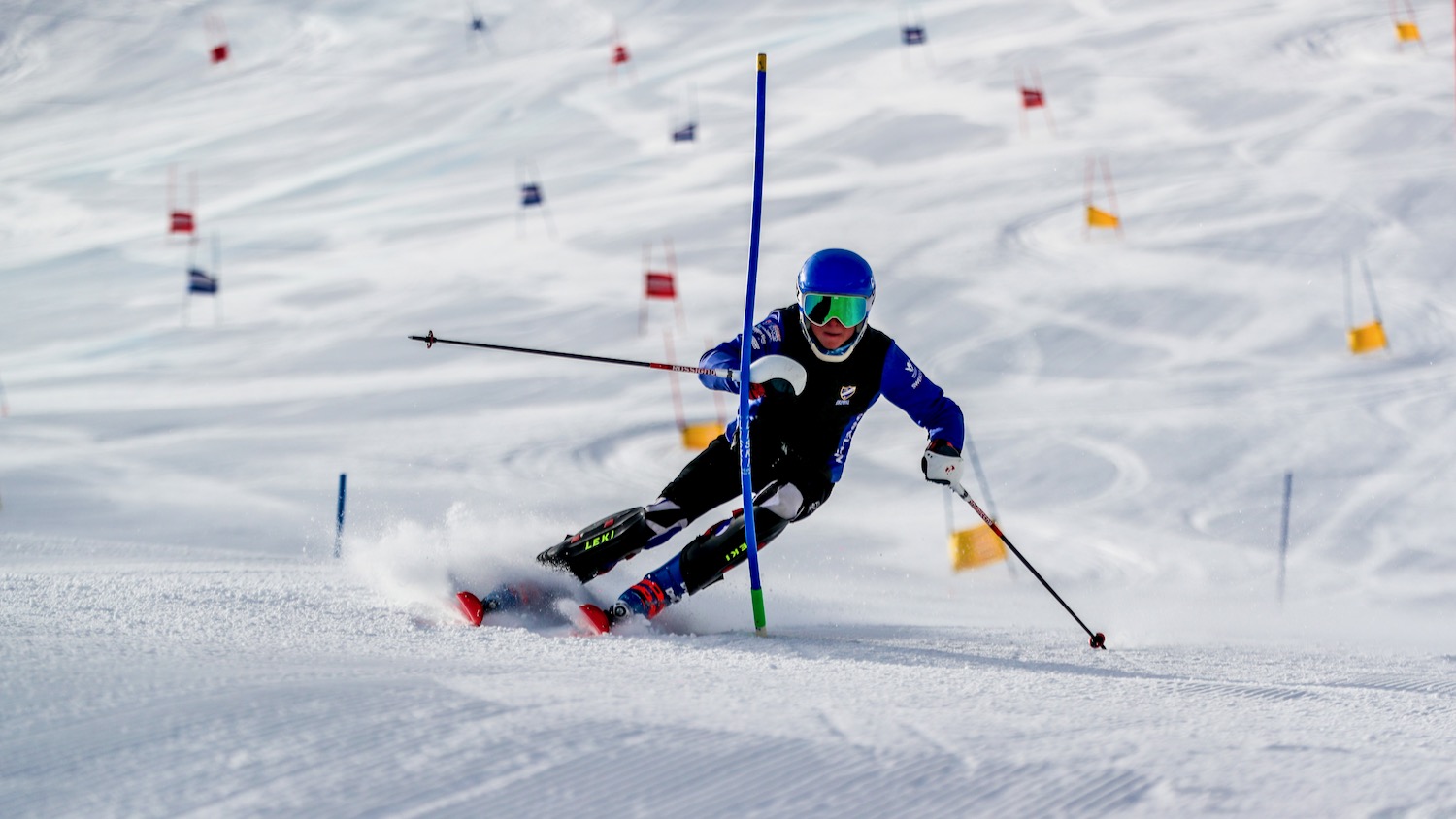
We also put a lot of emphasis on video analysis and data tracking. Modern ski racing is highly technical, and athletes need to understand exactly what their body and skis are doing relative to the fall line and the gates. Using tools to quantify performance allows for precise adjustments that shave off those critical hundredths of a second.
Phase 5: training to win (elite/professional)
This phase is reserved for the highest level of performance, where the athlete is fully dedicated to maximizing results. This includes professional racers, national team members, and high-level collegiate skiers.
Training here is highly individualized and focuses on marginal gains. Every element—sleep, nutrition, recovery, equipment tuning, and mental preparation—is tailored to the athlete’s specific needs and competition schedule.
Focus areas include:
- Advanced periodization focused on peaking for major championships.
- Highly specialized technical work (e.g., specific ice training, long DH tracks).
- Sophisticated recovery protocols and injury management.
- Continuous psychological preparation to maintain focus and handle extreme pressure.
For elite athletes, having the flexibility to train year-round is key. Our programs, extending from the European glaciers to the winter slopes of Chile, ensure that the training-to-win cycle is never interrupted by seasonal changes.
The critical balance: physical, technical, and psychological growth
A successful LTAD program is never just about physical training; it’s about integrating three pillars: the physical, the technical, and the psychological. If one pillar is weak, the entire structure is compromised.
Technically, we want efficient, adaptable skiers. Physically, we need resilient, powerful bodies. Psychologically, we need athletes who are confident, motivated, and capable of self-regulation.
Managing burnout and injury prevention
One of the greatest benefits of following the LTAD model is its focus on long-term health. By respecting the athlete’s biological age and avoiding premature specialization, we significantly reduce the risk of overuse injuries common in high-intensity sports.
Burnout is often a result of too much pressure, too much volume, or a lack of variety too early in development. By keeping the early phases fun and varied, we help athletes build intrinsic motivation.
As the training becomes more intense in the later phases, incorporating active recovery, psychological check-ins, and ensuring a life balance—even for professional athletes—is vital to maintaining career longevity.
The importance of coaching and environment (access to Swiss elite training)
The quality of the training environment and the expertise of the coaching staff determine whether an athlete successfully moves through these phases.
In the early phases, a coach needs to be a motivator and educator. In the later phases (training to compete/win), the coach becomes a performance manager, technique specialist, and tactical advisor.
Access to environments that challenge and refine skills is equally important. When you train in Switzerland, whether on the early season snow of Saas-Fee or the demanding slopes of Zermatt, you are training in a high-standard environment used by national teams worldwide.
Providing access to Swiss elite training for private athletes allows individuals to benefit from that high standard of course setting, snow conditions, and coaching expertise, accelerating their development when it matters most.
This type of focused, high-standard training ensures that when an athlete reaches the elite levels, they are accustomed to the speed and precision required to succeed globally.
LTAD for masters athletes: it’s never too late to upgrade your technique
LTAD is often discussed in the context of young athletes, but the principles of structured, phased development apply equally to adults. Many adult masters racers are looking to improve their speed, refine their technique, or simply return to the gates safely and effectively.
For masters athletes, the LTAD model shifts slightly, focusing less on physical growth and more on maintenance, injury prevention, and skill refinement tailored to their current physical capacity.
If you are an adult racer, your goals might be different, but the need for professional, specific training remains. You might be aiming to shave seconds off your time in a Masters race, or perhaps you want to feel more comfortable exploring high-speed terrain.
Our dedicated Adult Masters training programs recognize that adult bodies require different recovery times and specific conditioning focused on joint health and stability. We focus on highly efficient technical drills and tactical understanding, allowing you to upgrade your technique without the high-volume physical stress of a junior program.
The key principles we apply to masters training include:
- Specific conditioning: Focusing on mobility, core strength, and eccentric strength training to handle the forces of carving and absorbing terrain.
- High-quality volume: Prioritizing fewer, higher-quality runs with immediate video feedback over sheer quantity.
- Environment: Training on high-quality, consistent snow—like the glaciers provide—to ensure you are practicing correct technique on a reliable surface.
It is entirely possible to achieve significant technical improvements and competitive success as an adult racer, provided the training is structured correctly, following the principles of LTAD adapted for maturity.
By embracing this phased approach, we move beyond the immediate demands of short-term results and invest in creating a truly resilient and high-performing athlete.
Whether you are aiming for the Olympic podium or simply trying to ski faster than you did last year, the principles of LTAD provide the clear, expert guidance you need.
The journey to becoming an elite ski racer, or even just maximizing your potential as a dedicated athlete, is a marathon, not a sprint. It requires planning, dedication, and access to the right environment and expertise at the right time.
If you are ready to apply the structured principles of long-term athlete development to your own skiing journey or that of your young athlete, we have the programs and the expert coaches ready to help you every step of the way, from the basics of physical literacy to the nuances of Super-G tactics.
We offer year-round programs across the best training locations in the world. Whether you need focused winter race camps, specialized high-speed training, or dedicated adult coaching, we can help you integrate the LTAD model into your training calendar.
Ready to see how elite coaching can redefine your skiing potential?
Join the expedition, upgrade your technique, and visit the ski camp.