
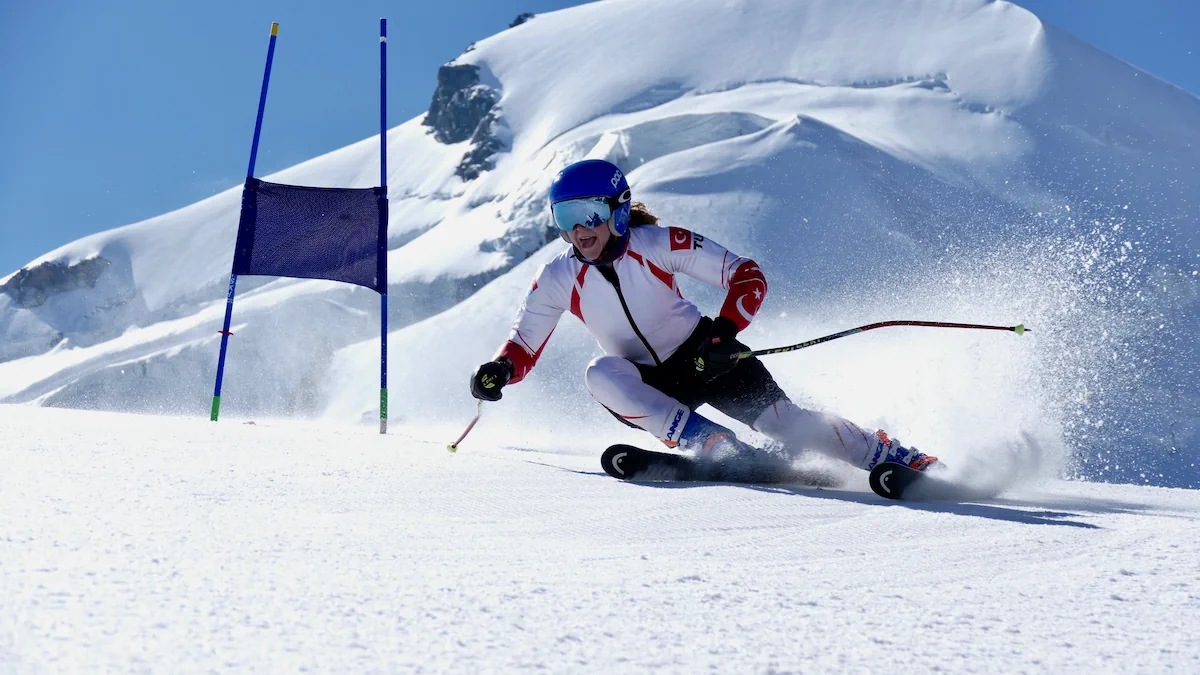
If you are serious about ski racing—whether you are a young athlete aiming for the next level or a dedicated participant in adult masters training—you know that success is not just about raw talent. It is about timing.
You need your body and mind ready to deliver maximum performance on specific race days. That is where alpine ski race periodization comes into play.
Periodization is simply the structured, cyclical planning of your training to make sure you hit peak physical and technical condition exactly when it matters most.
It prevents burnout, manages fatigue, and ensures every training session contributes to a larger goal. Here at Ski Zenit, working across the demanding terrain of Zermatt and Saas-Fee, we see how effective a smart plan can be. Let’s look at how you can build an annual program that works for you.
What periodization means for ski racers
When we talk about structuring a training year, we are really talking about managing stress and recovery. Training is a stressor; without adequate recovery, you do not adapt, you just get tired. Periodization organizes this stress into manageable chunks, allowing for adaptation and growth over time. This process is broken down into three main cycles.
The macrocycle: your yearly training blueprint
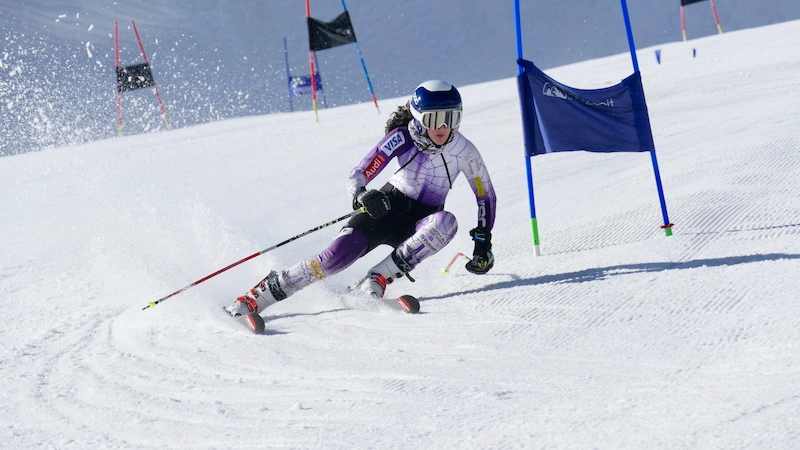
The macrocycle is your overarching plan, usually spanning 9 to 12 months. This cycle identifies your most important races—the “A” races—and then works backward.
The goal of the macrocycle is to move systematically from high-volume, low-intensity training to low-volume, high-intensity, specific training. For example, if your national championships are in March, your macrocycle dictates that your primary focus in the preceding summer months must be general strength and conditioning, far away from the snow.
A typical macrocycle is segmented into distinct phases:
| Phase | Typical duration | Primary objective | Example training environment |
|---|---|---|---|
| General preparation (GPP) | 3–6 months (spring summer) | Build aerobic base, general strength, and foundational movement patterns. | Gym, track, mountains (dryland). |
| Specific preparation (SPP) | 2–3 months (late summer fall) | Translate general strength to ski-specific power, transition to on-snow volume. | Chile, Zermatt, Saas-Fee glaciers. |
| Competition phase | 3–5 months (winter) | Maintain strength, maximize intensity, focus on race-specific tactics and speed. | Race venues, specialized Super-G clinics. |
| Transition/Active rest | 4–6 weeks (post-season) | Mental and physical recovery, addressing weaknesses, light cross-training. | Home, light outdoor activities. |
As you can see, the transition from general preparation to specific preparation often happens right when the Southern Hemisphere training opens up or when the glaciers in Switzerland offer reliable snow. This is why location is so tied to effective periodization.
Mesocycles: building blocks for specific skills
Within the macrocycle, you have mesocycles. These are medium-term blocks, usually lasting 3 to 6 weeks, that focus on a single, specific physiological or technical goal.
For instance, during the general preparation phase, you might dedicate one mesocycle entirely to maximal strength development (heavy lifting, low reps), followed by a mesocycle focused on power (explosive movements, plyometrics).
The structure of the mesocycle is key to avoiding stagnation. You introduce a new stimulus, build tolerance and adaptation over 3-4 weeks, and then back off slightly in the final week (an unloading week) before moving to the next focused block. This approach makes sure your body is always adapting, not just getting tired from doing the same thing over and over.
When you transition to the on-snow phase, your mesocycles might shift focus from pure physical development to technical refinement. One block might focus on giant slalom (GS) turn shape and pressure application, while the next focuses purely on slalom rhythm and quickness.
Microcycles: the weekly tactical plan
The microcycle is your weekly schedule, typically 7 to 10 days long. This is where the rubber meets the road. It details the exact sessions: Monday—heavy lifting; Tuesday—GS volume on snow; Wednesday—active recovery and video analysis; Thursday—slalom intensity; and so on.
The main challenge in setting up effective microcycles, especially during the competition phase, is balancing high-intensity gate training with sufficient recovery. If you train too hard every day, your technique suffers, and the quality of your skiing decreases dramatically.
A well-planned microcycle often follows a pattern of high-stress days followed by low-stress or recovery days. For example, a heavy day of Super-G training (high intensity, high impact) should be followed by a lighter day, perhaps focusing on free skiing or active recovery, rather than another high-volume day in the gates.
Phase 1: general preparation (the dryland foundation)
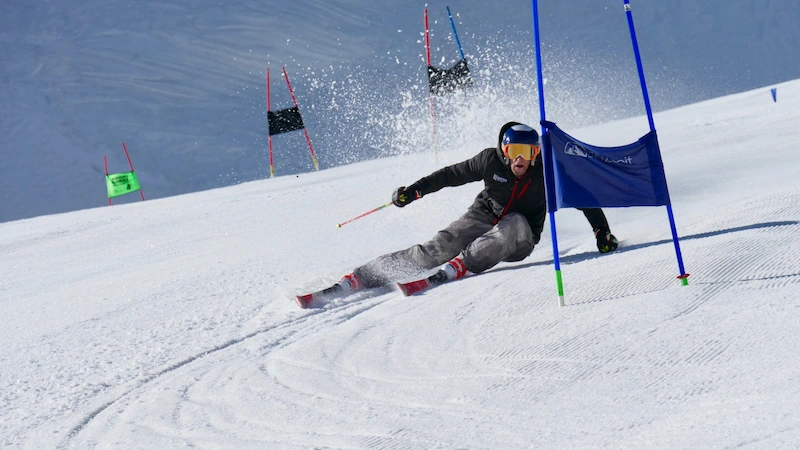
The general preparation phase (GPP) is arguably the most important part of your alpine ski race periodization plan, even though it happens entirely off the snow.
This is where you build the engine. You cannot expect to handle the forces of high-speed skiing or the volume of training required in a winter race camp if your body is not structurally ready.
This phase, running through the spring and summer, should prioritize movement quality and injury prevention before chasing heavy numbers in the gym.
Building strength and stability
Ski racing requires a unique blend of endurance (to handle multiple runs and training days) and explosive power (to initiate turns and absorb terrain). We see many athletes skip the general strength work, rushing straight to plyometrics or heavy lifting. That usually leads to muscle imbalances and higher injury risk.
During GPP, focus heavily on multi-joint movements like squats, deadlifts, and lunges. Stability work for the core, hips, and shoulders is also vital. These areas are often neglected but are essential for maintaining a strong, centered posture when dealing with G-forces on the race course.
A good way to structure your dryland GPP is to follow a linear progression in the gym:
- Anatomical Adaptation (4-6 weeks): High reps, low weight, focusing on perfect form and mobility.
- Maximal Strength (4-6 weeks): Lower reps, higher weight, focusing on increasing the maximum force you can produce.
- Power Conversion (4-6 weeks): Transitioning strength into speed (plyometrics, medicine ball throws, speed work).
This structured approach ensures that when you arrive at a demanding training environment like the Zermatt glaciers, your body can handle the workload.
Avoiding the dryland fatigue trap
It is easy to push too hard in the summer, feeling like you must make massive gains. But remember, the goal is to peak in the winter, not in August. Dryland training should be taxing, but it should never lead to chronic fatigue or injury.
This is why active rest and recovery need to be planned into your microcycles even during GPP. Activities like cycling, swimming, or hiking are excellent ways to maintain aerobic fitness without adding impact stress to the joints.
If you are an adult masters athlete, your GPP needs to heavily emphasize recovery. Instead of 5-6 heavy dryland days, you might schedule 3 quality strength sessions and 3 active recovery days. Consistency over intensity is the secret to longevity in the sport.
Phase 2: specific preparation and the on-snow transition
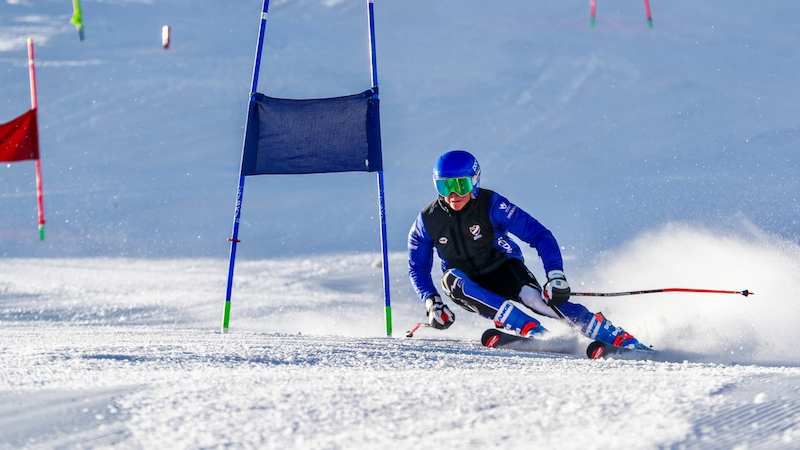
As summer winds down, the focus shifts dramatically. This is the Specific Preparation Phase (SPP), where general strength is converted into ski-specific power, and the transition back to the snow begins. This phase is often the most exciting, as it involves packing your bags for the pre-season ski camp.
Integrating technical drills and gate training
The transition from dryland to snow must be gradual. The first few weeks on the snow should prioritize free skiing and basic technical drills—reacquainting the body with the feeling of the skis and the demands of the slope, rather than immediately jumping into gates.
Once the technical foundation feels solid, you introduce gates. Early gate training should focus on volume and technical execution rather than raw speed. We use shorter courses, lower pitch, and a higher repetition count. This builds muscle memory and endurance for the long race season ahead.
For athletes training with us, this phase usually takes place on the reliable snow of the European glaciers or the excellent conditions found during training blocks in Chile.
Swiss glaciers: Zermatt and Saas-Fee as key training environments
Training in places like Zermatt and Saas-Fee is invaluable during the SPP. These environments offer high-altitude training, which helps physiological adaptation, and consistent, high-quality snow, which allows for repeatable, high-quality training runs.
Because these locations provide access to long, demanding courses, we can focus mesocycles entirely on building the endurance needed for full-length GS runs or practicing the high-speed movements required for Super-G.
The key technical goal during this phase is specificity. If your A-race is a Giant Slalom, then 80% of your on-snow time in SPP should be dedicated to GS technique, line, and tactical application.
Phase 3: the competition phase (peaking for race day)

The competition phase is the payoff for all the hard work in GPP and SPP. This phase starts when the major races begin and typically runs through the winter months. The rules of engagement change here: the goal is no longer to build strength but to maintain it while maximizing speed, reaction time, and freshness.
Managing volume versus intensity
This is the most challenging balancing act in alpine ski race periodization. You must continue training to maintain skill and strength, but you cannot train so hard that you deplete your energy reserves before race day.
The general trend during the competition phase is:
- Volume: Significantly reduced (fewer total runs, shorter training blocks).
- Intensity: Significantly increased (training happens at or above race pace, focusing on timing and sharpness).
Your microcycles during this time should look very different. Instead of three heavy dryland sessions, you might only have one maintenance lift and one plyometric session. On the snow, a week might involve two highly intense training days (full-length course, race speed) followed by two days of travel or light free skiing, and then the race itself.
If you are preparing for a series of races, you need to cluster your intensity. Schedule a high-intensity microcycle 7-10 days before your major race, and then use the last few days for tapering.
Tapering strategies for peak performance
Tapering is the intentional reduction of training load leading up to a major competition. It is not about stopping training; it is about reducing volume while maintaining intensity.
A typical taper might involve cutting volume by 40-60% in the final week. For example, if you normally take 15 GS runs in a training day, during the taper, you might take 5 runs, but those 5 runs must be executed at 100% race intensity. This keeps the neuromuscular system sharp without causing physical fatigue.
The psychological component of tapering is also huge. Confidence comes from feeling rested, strong, and prepared. If you arrive at the start gate feeling tired from a workout two days prior, you have missed the point of periodization.
Specific periodization for speed events (super-g clinics)
Speed events like downhill and Super-G require their own specific periodization within the competition phase. These events demand maximum physical output and require highly specific tactical training that cannot be replicated easily.
Super-G clinics, like those we run, focus heavily on course inspection, line visualization, and managing speed transitions. Because the risk of injury is higher and the impact on the body is greater, the volume must be kept extremely low.
A speed mesocycle might involve only 3-4 days of gate training over two weeks, interspersed with significant rest and maintenance work. You prioritize quality over quantity—you need those few runs to be perfect representations of race day execution.
Adapting periodization for different athletes
One size does not fit all in alpine ski race periodization. A world-class professional, a 14-year-old junior, and a 55-year-old Masters athlete all need different approaches to their macrocycles, especially regarding volume and recovery.
Youth athletes: balancing development and results
For youth athletes, periodization must prioritize long-term development over short-term results. Their training plan should be multi-year, focusing on mastering movement patterns and building a broad athletic base before specializing too early.
We see many young athletes who are pushed too hard in the gym too early. They might see temporary gains, but they risk burnout and injury down the line.
The youth focus should be:
- GPP: High emphasis on general athleticism, agility, balance, and coordination. Introduce strength training gradually, focusing on bodyweight and proper technique.
- SPP/Competition: Focus on high-quality technical execution in the gates, not just results. Volume should be managed carefully to allow for growth spurts and academic demands.
If a young athlete trains with us, the focus is always on upgrading your technique and ensuring they build robust movement habits that will serve them for years to come.
Adult masters training: prioritizing recovery and consistency
Masters athletes (adults competing at any level) are often highly motivated but face unique physiological challenges, primarily slower recovery rates and accumulated wear and tear.
For adult masters training, the traditional periodization model needs significant adjustments:
- Increased transition phase: The transition (rest) phase after the season might need to be longer to allow joints and tendons to fully recover.
- Recovery-driven microcycles: Recovery days are non-negotiable. Instead of trying to squeeze in two heavy strength sessions and three on-snow days, prioritize quality. If the body feels tired, swap a planned gate session for a free ski or an active recovery session.
- Focus on maintenance: The GPP for a masters athlete often focuses less on increasing maximal strength and more on maintaining existing strength, mobility, and power output.
The goal here is longevity. We provide specialized programs for Masters athletes because we understand the need for high-quality, efficient training that respects the body’s need for rest.
The role of location in year-round training
Effective periodization requires access to the right terrain at the right time. Being able to follow the snow and train in environments used by the world’s best athletes is a huge advantage. This is why our programs span continents, ensuring year-round access to elite conditions.
Training in the Southern Hemisphere (Chile Camps)
For many athletes, the late summer marks the peak of the dryland phase. To avoid the long gap between dryland and the winter season, many travel south. Training blocks in the Southern Hemisphere, like our ski camp programs in Chile, are perfectly timed for the Specific Preparation Phase.
These camps allow athletes to put their summer strength to the test on snow, focusing heavily on high-volume gate training and technical application before the main European or North American winter begins. This early exposure to snow is key for sharpening skills and addressing technical flaws when the pressure of competition is still low.
Access to Swiss elite training for private athletes
Switzerland, with its year-round glacier training opportunities in places like Saas-Fee, offers unparalleled quality for the final stages of specific preparation and early competition.
For private athletes seeking the highest level of instruction and terrain, having access to Swiss elite training means working on slopes used by World Cup teams.
This environment allows for precise technical feedback and training on highly specific snow conditions, which is crucial for maximizing performance gains right before the season starts.
When you coordinate your periodization with these global training opportunities, you essentially eliminate the downtime, ensuring continuous progression throughout the year.
Integrating recovery and injury prevention
No matter how perfectly you plan your macrocycle, if you neglect recovery, the plan will fail. Recovery is not a passive break; it is an active part of periodization. It is when the body actually rebuilds and gets stronger.
Active recovery techniques
Active recovery involves low-intensity exercise that helps flush metabolic waste products from the muscles and promotes blood flow. This could be a light bike ride, a gentle swim, or mobility work.
Instead of taking a full day off after a heavy GS session, try a 30-minute light jog or some yoga. This is far more beneficial than sitting on the couch all day, as it speeds up the body’s repair process.
Nutrition and sleep are also non-negotiable components. We often see athletes meticulously plan their workouts but fail to prioritize 8-10 hours of sleep per night. Sleep is when the central nervous system recovers, which is essential for reaction time and explosive power—two things ski racers need most.
Monitoring fatigue and making adjustments
Periodization is a flexible template, not a rigid contract. You must listen to your body and be ready to adjust your microcycle based on fatigue levels.
Coaches often use tools like the Rate of Perceived Exertion (RPE) or simple morning heart rate checks to gauge readiness. If you wake up feeling unusually tired or if your resting heart rate is elevated, it means your body is still recovering from the previous stress.
In this case, you need to adjust the day’s plan. That planned intensity session might need to become a light, technical free ski. Being flexible means you avoid overtraining, which can derail months of careful planning.
Upgrading your technique: practical application of periodization
The entire structure of alpine ski race periodization is designed to support technical and tactical improvement. The physical strength gained in the summer must allow you to hold a better line, absorb terrain more effectively, and execute cleaner turns when under the stress of race speed.
We use the structured training blocks (mesocycles) to isolate and fix specific technical issues.
For example, if video analysis shows an athlete is consistently late rotating into the fall line in slalom:
- Mesocycle focus: Quickness and early initiation.
- Microcycle activities: Short gate intervals focusing purely on early pole plant and hip rotation. Dryland exercises targeting agility and reaction time.
- Result: The physical capacity (strength/quickness) developed in GPP is now applied directly to fix the technical flaw on the snow.
This integration of physical and technical training is what separates structured periodization from just “skiing a lot.” Every session has a purpose, moving you closer to your peak performance targets.
Structuring your year with precise alpine ski race periodization is the most reliable way to ensure you achieve your best results. It removes guesswork and replaces it with a clear, actionable plan that moves you systematically toward your goals.
Whether your goal is to shave tenths off your time, master the technical demands of a Super-G course, or simply enjoy consistent performance in adult Masters racing, a smart plan is your best tool.
Ready to apply an elite training structure to your skiing? We offer customized programs and world-class training environments designed to fit your unique macrocycle needs, from the glaciers of Switzerland to the slopes of Chile.
Join the expedition, upgrade your technique, explore the backcountry, visit the camps of Ski Zenit.